

Parliament Examines LGSC Operations to Boost Sierra Leone Local Governance
 Sia Lucy Kannah
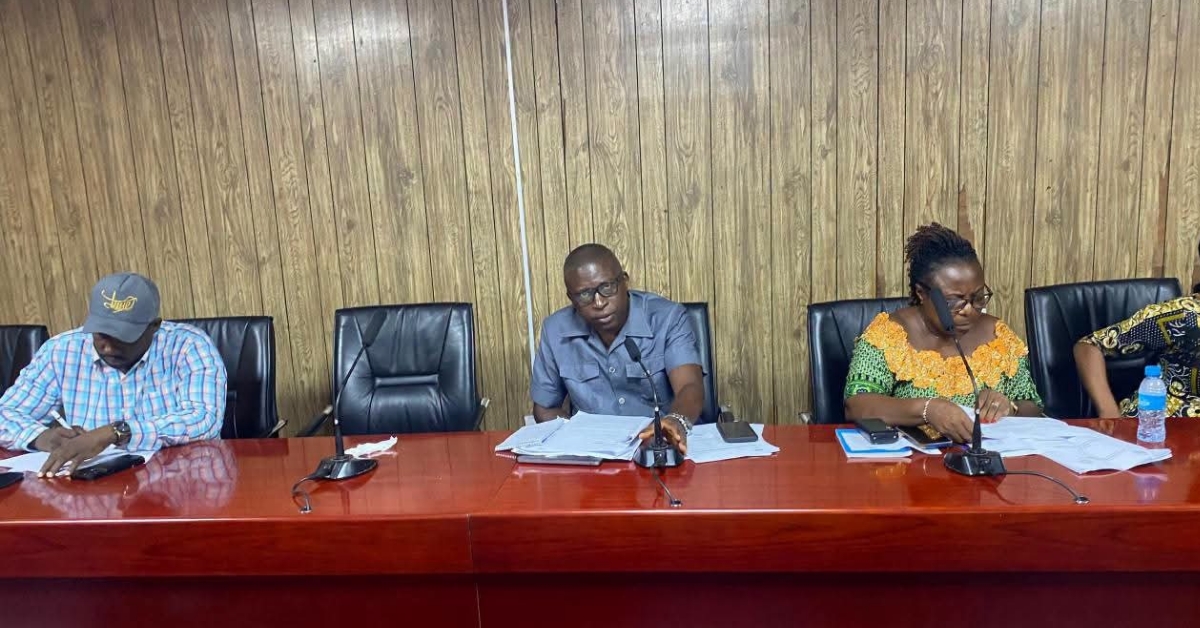
 Parliament’s Local Government and Community Affairs Committee met with the Local Government Service Commission (LGSC) leadership Thursday, 18 June 2026, in Committee Room 1, Parliament Building, Tower Hill, Freetown.
The purpose was to review performance, mandate delivery, operational constraints, parliamentary support needs, stronger local governance, and improved service delivery nationwide.
Committee Chairman Hon. Peter Yaba Koroma welcomed the delegation and reaffirmed Parliament’s constitutional duties of lawmaking, representation, and oversight. He said effective governance depends on strong accountability and reminded the Commission that cooperation with parliamentary oversight remains mandatory under the Constitution.

The Committee commended the attendance of the Chairman, Commissioners, and Executive Secretary, noting that the Commission had only recently been reconstituted after an extended period without a substantive Chairman.


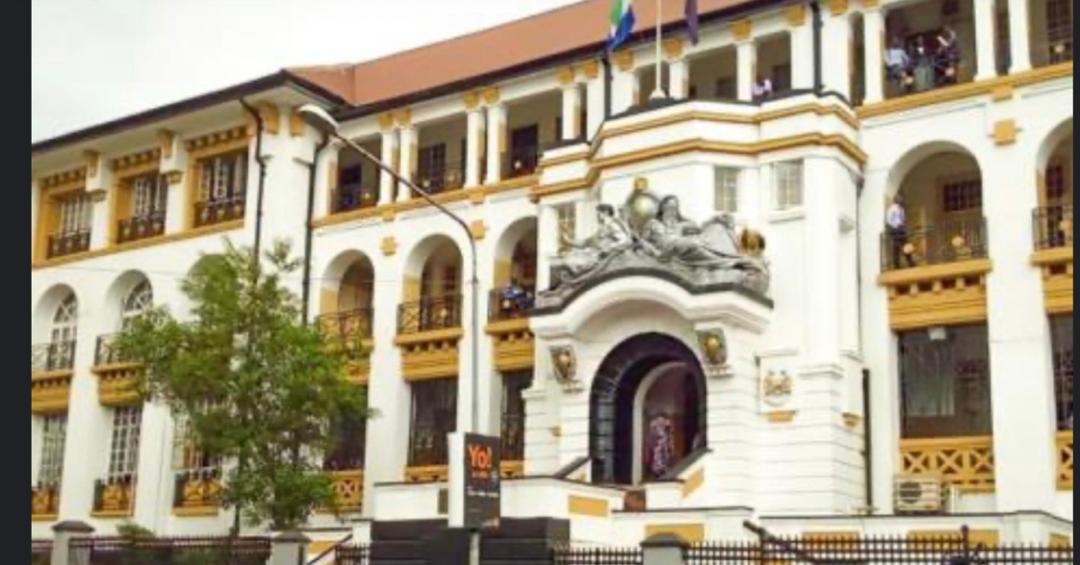
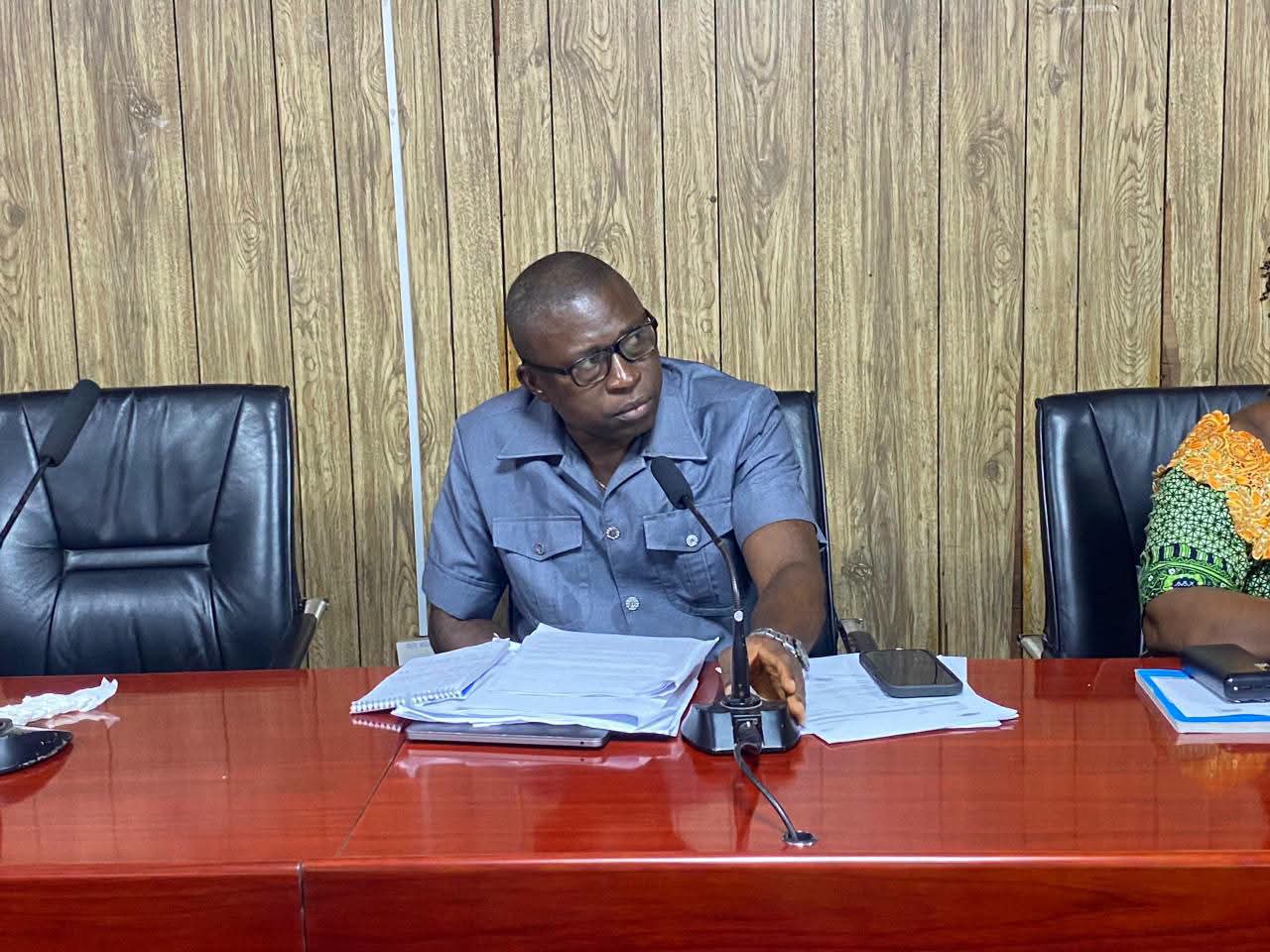
LGSC Chairman Dr. Falla D. Lamin outlined the Commission’s core responsibilities under the Local Government Act, 2022. He identified four priority areas: development of an overall human resource policy for local councils, implementation of the Integrated Performance Appraisal System (IPAS), improvement of service delivery standards, and stronger monitoring and compliance across local councils.
Chairman Lamin acknowledged that institutional setbacks, including nearly two years without a substantive Chairman, had slowed progress toward the Commission’s mission and vision. He assured the Committee that the reconstituted Commission would now focus on rebuilding local governance systems and improving service delivery.
Executive Secretary of the Local Government Service Commission, Abdul R. Conteh, added that the Commission had received support through the World Bank-funded Accountable Governance for Basic Service Delivery Project.
He said that assistance had supported a capacity needs assessment, a management and functional review through the Public Sector Reform Unit, recruitment exercises for local council staff, initial IPAS training, and reform recommendations aimed at strengthening the Commission.
Mr, Conteh clarified that the report submitted to Parliament covered activities completed during the reporting period rather than the full range of the Commission’s statutory functions.
Hon. Momoud Kamara raised concern over the limited scope of the report and questioned whether the Commission had made meaningful progress toward its stated mission and vision. Members agreed that, despite wide powers under the Local Government Act, the Commission’s output remained modest and required a more proactive approach.
Hon. Emerson Lamina, Leader of Government Business 2, urged the Commission to operationalize a comprehensive human resource policy for local councils, standardize performance appraisal systems to support merit-based promotions and discipline, and strengthen monitoring and compliance across all 22 local councils through regular field inspections.
Additionally, Committee members also expressed concern over staff attitude, weak responsiveness, absenteeism, and poor accountability within local councils. They urged the Commission to ensure that performance management systems directly address those weaknesses.
During the engagement, the Committee observed that the Local Government Service Commission remains central to Sierra Leone’s decentralization framework. Members said major gaps persist in human resource management, performance monitoring, and service delivery oversight, while resource constraints continue to weaken the Commission’s effectiveness.
They maintained, however, that the Commission already has sufficient legal authority to drive meaningful reform if properly supported. They also stressed that stronger collaboration among Parliament, the Ministry of Local Government, local councils, and development partners is essential for better governance outcomes.
The Committee recommended that the Commission develop and implement a comprehensive human resource policy for local councils, fully operationalize IPAS, strengthen compliance and monitoring through regular inspections, revive the Local Governance Performance Assessment System with measurable indicators, improve coordination with local councils, engage development partners for financial and technical support, pursue fiscal decentralization reforms, and submit periodic progress reports to Parliament on achievements, challenges, and plans.