Sierra Leone Presents Human Rights Progress Report at UN Review in Geneva
 Sia Lucy Kannah
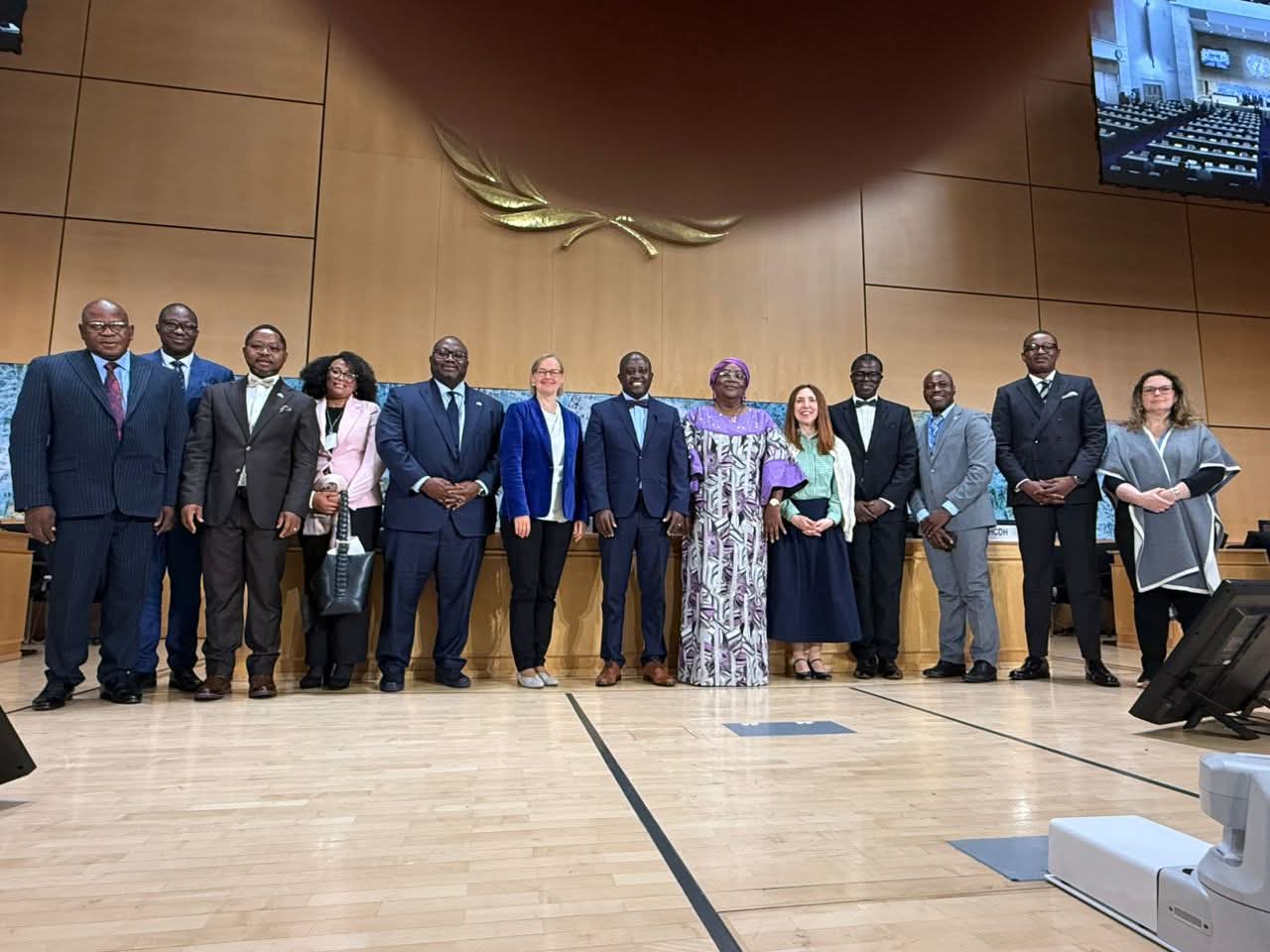
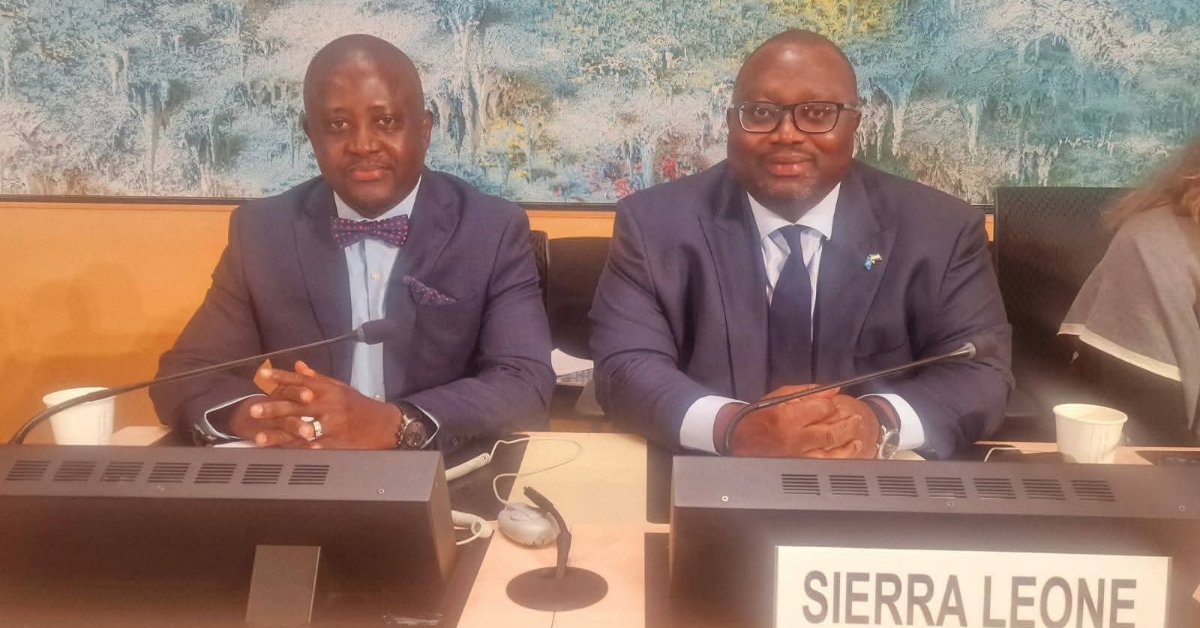
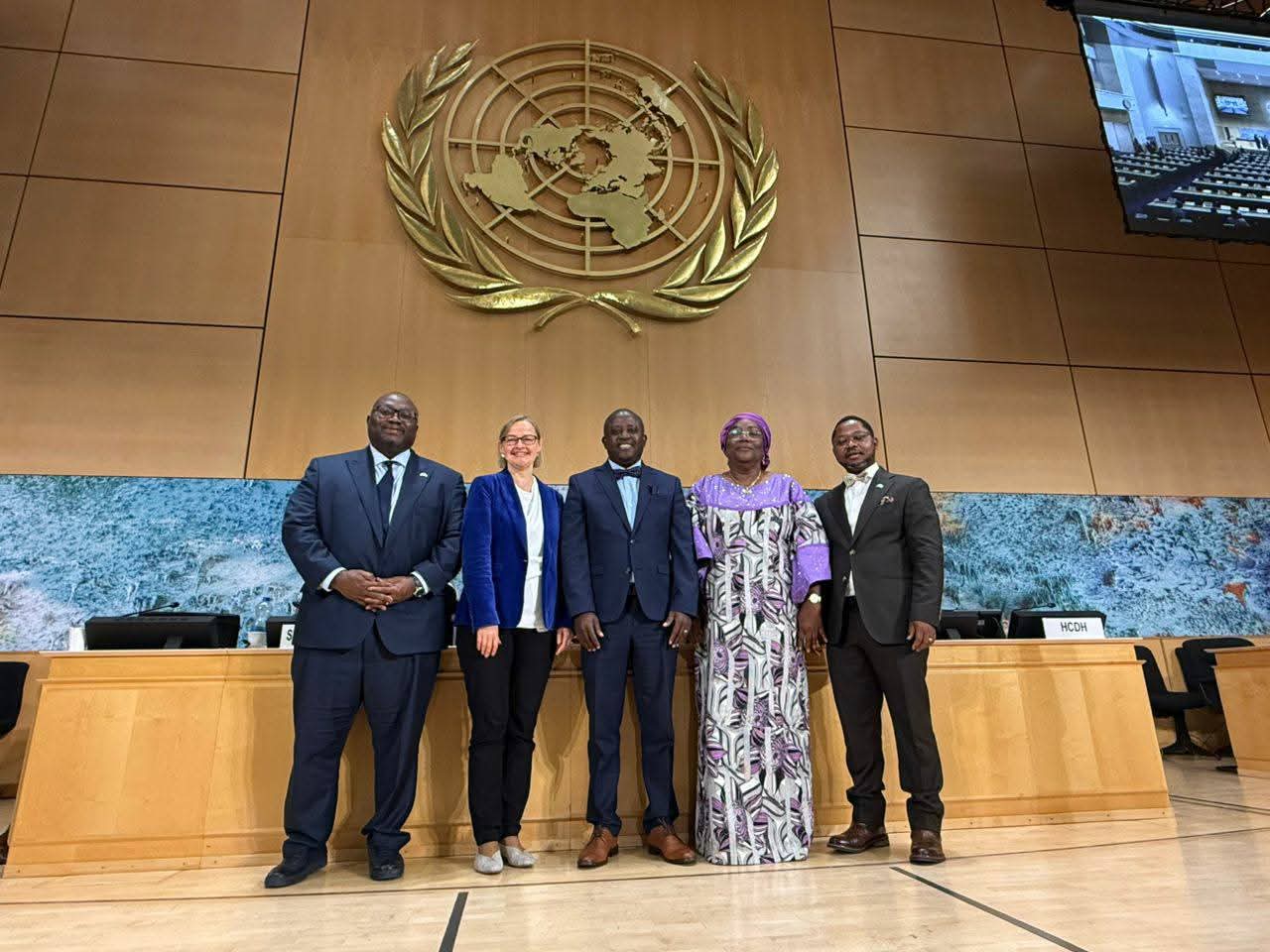
 Sierra Leone has presented its latest human rights progress report before the United Nations Human Rights Council during the fourth-cycle Universal Periodic Review (UPR) held in Geneva.
The Sierra Leone delegation was led by Attorney-General and Minister of Justice, Alpha Sesay, while Ghana, the Republic of Korea, and Spain served as troika rapporteurs for the review.
During the session, the government highlighted reforms undertaken since the previous review in May 2021, including the abolition of the death penalty in 2022. Officials also reaffirmed Sierra Leone’s commitment to ratifying the Second Optional Protocol to the International Covenant on Civil and Political Rights, which seeks the permanent abolition of capital punishment.

The delegation further presented the Criminal Procedure Act 2024, which came into effect in September 2025, describing it as the most significant criminal justice reform in more than six decades. According to officials, the law streamlines court procedures, expands non-custodial sentencing options, and strengthens protections for victims, persons with disabilities, and older citizens.
On gender equality, the government cited progress under the Gender Equality and Women’s Empowerment Act 2022, noting that women’s representation in Parliament has surpassed 30 percent. Authorities said they intend to preserve that threshold in the proposed new constitution.
The Child Rights Act 2025 was also highlighted, setting the universal age of criminal responsibility at 14 years.
In the health sector, the government reported progress through the expansion of more than 1,600 health facilities, reductions in maternal mortality, and improved adolescent health services.
It also stated that the Free Quality School Education Programme has increased school enrolment, particularly among girls. Sierra Leone further advocated for a proposed Fourth Optional Protocol to the Convention on the Rights of the Child to recognise a global right to free education.
However, the government acknowledged ongoing challenges, including prison overcrowding, judicial delays, high adolescent pregnancy rates, and the effects of climate change on vulnerable coastal communities.
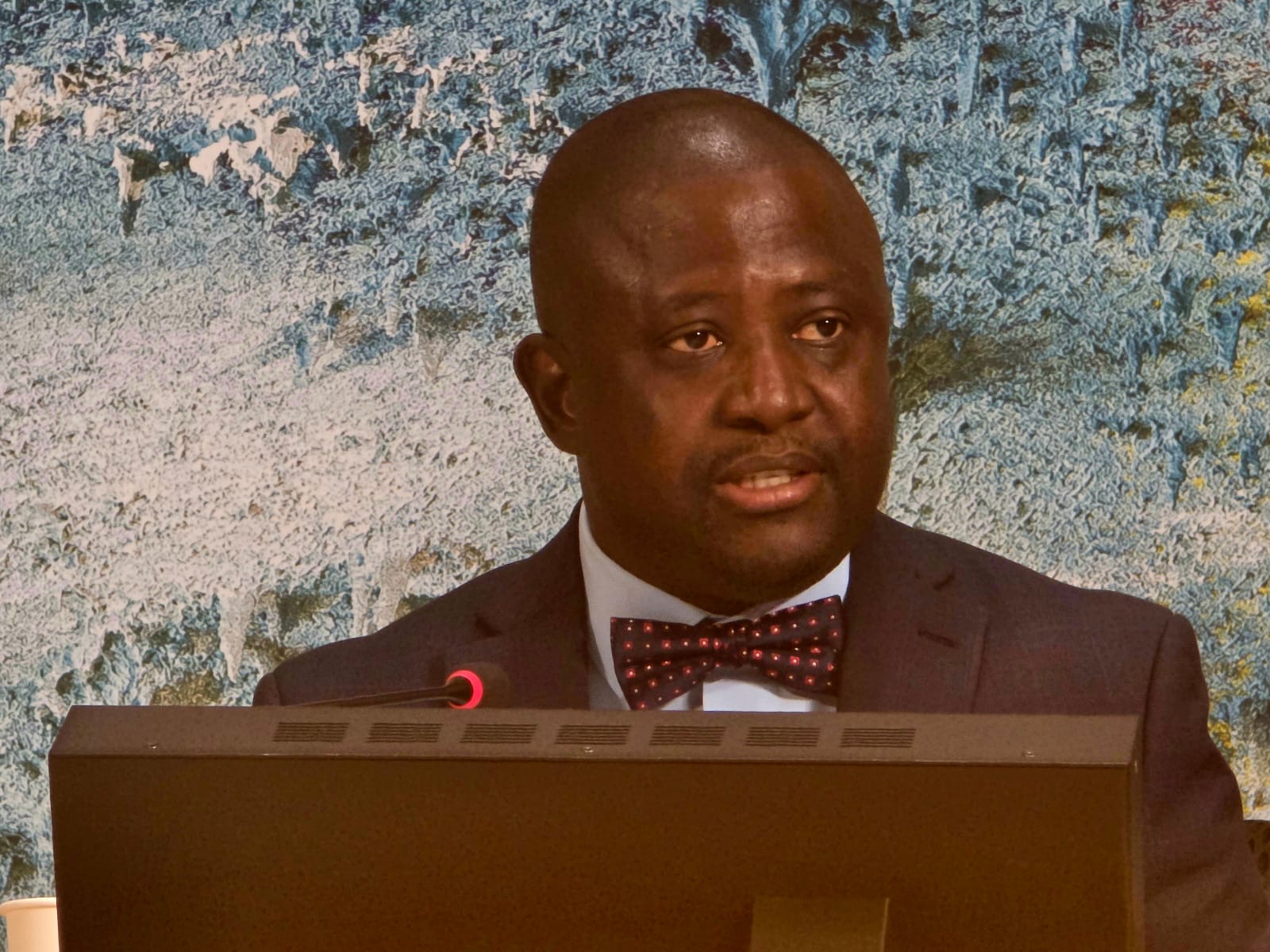
Addressing the session, Alpha Sesay said climate change should be treated as a human rights issue and described the UPR process as an important platform for accountability and strengthening national human rights systems.
Deputy Minister of Foreign Affairs, Frances Piagie Alghali, outlined the preparation of the report, stating that a national validation process was held in January 2026 involving government institutions, civil society organisations, independent commissions, and development partners.