

How a Slave-Trading Firm Advertised 94 Sierra Leoneans for Sale
 Sorie Abubakar
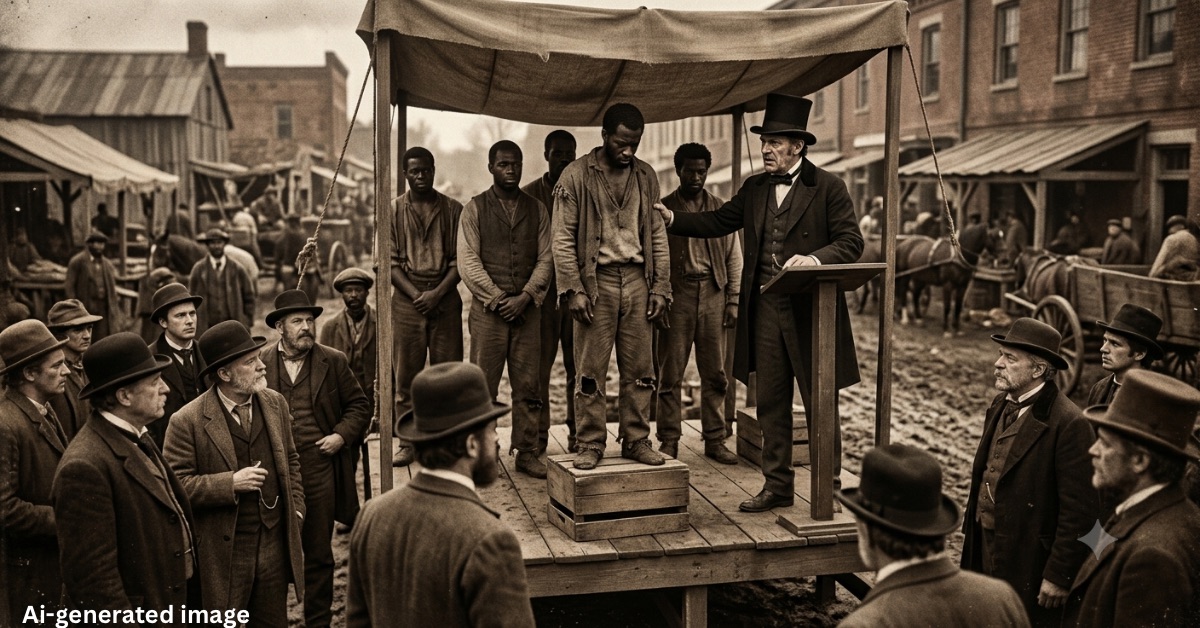
 An old slave-trading firm, David & John Deas advertised the sale of 94 captives from Sierra Leone for sale in 1769.
The advert reads, “Thirty-nine men, fifteen boys, twenty women, and sixteen girls just arrived in the Brigantine Dembia.”
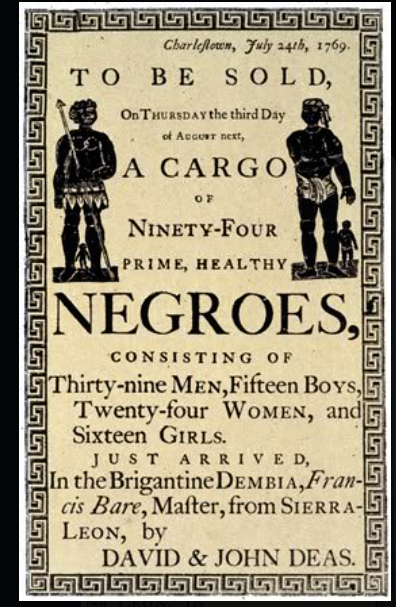

The Brigantine Dembia was a well-known slave ship captained by Francis Bare. The ship is recorded to have docked in Charlestown (now Charleston), South Carolina, United States on July 24th, 1769. The ship would later advertise the 94 Sierra Leonean captives for sale on August 3 1769 by the slave-trading firm, David & John Deas.
The advertisement described the captives as “prime” and “healthy”, depicting the inhumane language used against blacks in that era.
Historians have been unable to identify the exact origin of the Brigantine ship, but some agreed that most of its operations were centred in British West Africa, and played an active role in the transatlantic slave trade.
The ship is among many slave ships that docked in what is now Sierra Leone before the founding of the Freetown colony by the British in 1787.
The transatlantic slave trade is regarded as the forced migration of millions of Africans across the Atlantic to the Americas to work as slaves between the 1500s and mid 1800s. Historians have recorded that major European powers like Britain, Portugal, France, Spain and the Netherlands played active roles in the trade.
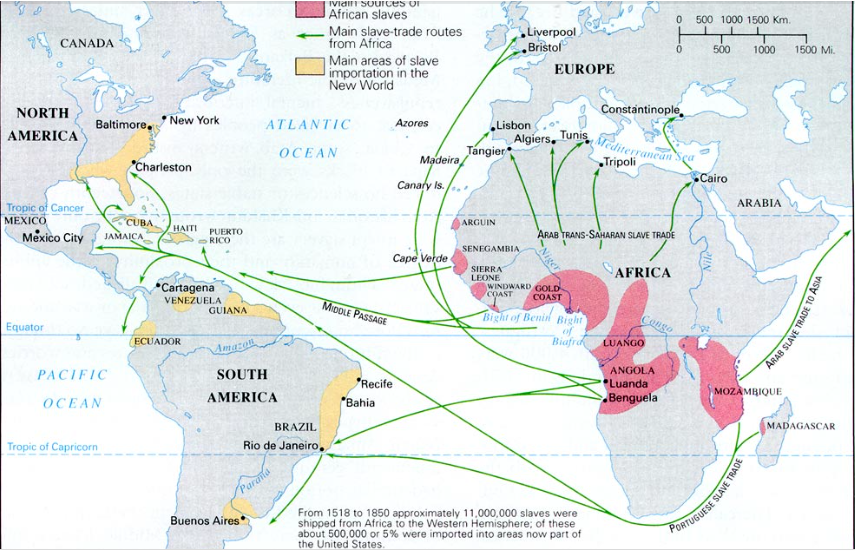
Historical records pointed out that between 10-13 million Africans were forced to slave ships, and about 2 million lost their lives in the process.
Sierra Leone is considered as a major embarkation point were thousands of people from Loko, Temne, Mende, and Bullom (Sherbro) Kingdoms were captured and forced into slavery.
Britain eventually abolished the slave trade in 1807, a year before the founding of the Sierra Leone colony. The British squadron later served as a major force against the trade, and repatriated thousands of recaptives to Freetown and other colonies in British West Africa.
The recaptives, together with other earlier groups, and indigenous people would later make the majority of the earlier Freetown colony population.