

Dr. Ernest Bai Koroma’s 10-Year Legacy: Competency, Merit and Best Practice in Public Service
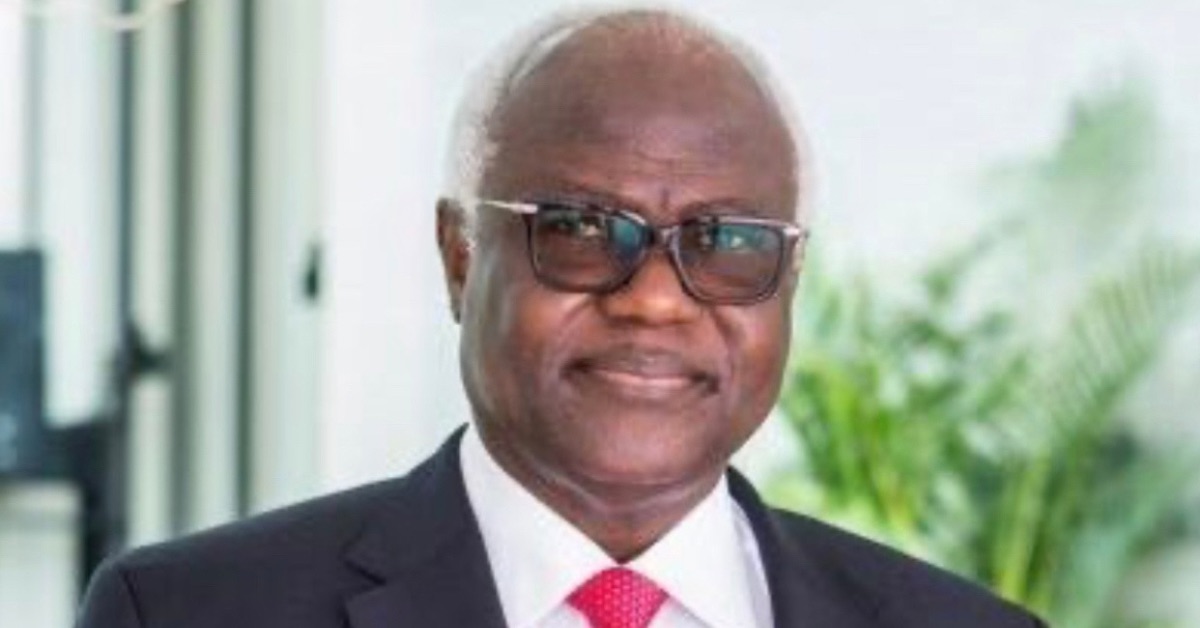
After reflecting for a long time on how former President Dr Ernest Bai Koroma was able to govern Sierra Leone for a decade while leaving behind a legacy of merit, competency, and best practice in governance, I have come to the conclusion that such a legacy remains one of the best models for nation-building in Sierra Leone.
During his tenure, President Koroma viewed Sierra Leone as one nation that required the contribution of every qualified citizen, regardless of tribe, region, religion, or political affiliation. His philosophy was that public institutions should be strengthened through competence, experience, and professionalism rather than partisan considerations.
Both APC members and individuals from the PMDC and SLPP occupied positions within the executive arm of government. This reflected President Koroma’s belief in inclusiveness and national cohesion. Beyond political appointments, he consistently encouraged Ministries, Departments, and Agencies (MDAs) to recruit personnel based on qualifications, competence, and experience.

This approach did not always sit well with some young APC members who felt overlooked despite possessing the required qualifications. Many raised concerns that they were being neglected in favour of individuals who were not necessarily party loyalists. Nevertheless, President Koroma remained committed to the principle that national development required the best available talent.

I can speak on this matter from personal observation. Between 2011 and 2015, I served as a member of the Moyamba District Budget Oversight Committee. During that period, I interacted with numerous Permanent Secretaries, Directors, and senior public servants. Today, I see many of those same individuals occupying senior positions in the current government, while others hold influential positions within the SLPP.
Some of these individuals entered public service through recommendations made by former members of the SLPP and PMDC who later joined the APC. This demonstrates that President Koroma’s vision extended beyond party lines. His objective was national unity and the development of a capable public service that would serve Sierra Leone irrespective of changes in political leadership.
Unfortunately, there are those who argue that subsequent political developments witnessed the dismissal or marginalization of individuals perceived to be associated with the APC. Ironically, some of those who benefited from the inclusive policies of the Koroma administration were among those who later identified colleagues for removal on political grounds.
The question many are asking today is whether a future APC government can uphold this legacy.
My answer is yes.
The competency-based approach promoted by President Koroma represents an important investment in human capital development. It reduces unnecessary turnover, preserves institutional memory, and strengthens public sector performance. His vision was anchored on building a strong national workforce through effective manpower planning and strategic succession planning.
Whether one agrees or disagrees with that assessment, the lesson remains clear: sustainable national development cannot be built on political exclusion. It must be founded on competence, fairness, and equal opportunity.
However, such a legacy should not merely be preserved; it should be strengthened and refined to meet the demands of modern governance. Most importantly, it should continue to serve as a tool for national unity, reconciliation, and effective public service delivery.
That, in my view, is one of the most enduring legacies of President Ernest Bai Koroma: the belief that Sierra Leone belongs to all of us and that the nation’s progress depends on placing competent people in positions where they can contribute to national development.
What amazes me after reading this article, is the fact that people can lie with confidence and impunity. We all know that Ernest Bai Koroma was, while in office, an embodiment of tribalism, regionalism, corruption and thieving. Nonetheless, here we have someone trying to present him as a hero, national unifier, nation builder and the best leader Sierra Leone has ever had.
Sir, you can make a fool of yourself but you can not fool some of us. Try another trick.