

SLRSA: Fatal Road Accidents Becoming Too Rampant
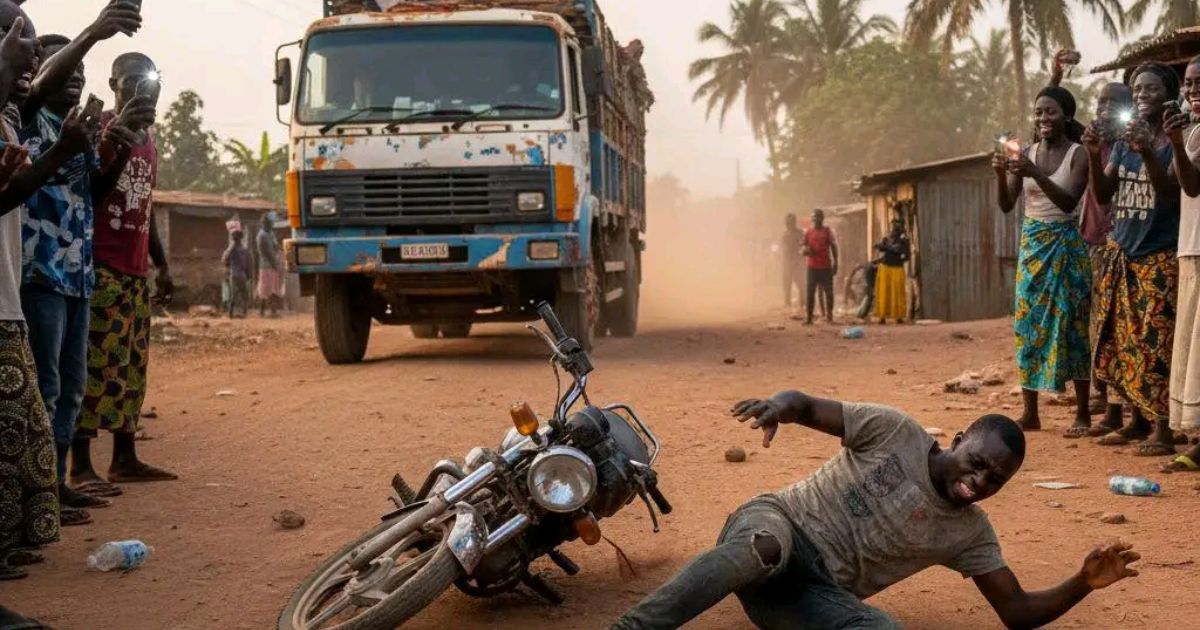
Death is inevitable, but many deaths in Sierra Leone today are preventable. People die from avoidable diseases, reckless violence, and increasingly from road accidents that continue to claim innocent lives across the country.
In Sierra Leone, religion deeply shapes public thinking. Many people believe everything that happens — good or bad — is simply “God’s will.” In Krio, the common phrase is, “Nar God.” But while faith is important, blaming every tragedy on destiny encourages dangerous complacency. The recent container accident at Rokel, which killed several people, cannot simply be dismissed as fate.
The growing number of fatal road accidents in Sierra Leone demands serious national reflection. The institution responsible for road safety, the Sierra Leone Road Safety Authority (SLRSA), was formerly known as the Sierra Leone Road Transport Authority. Ironically, many citizens believe accidents have increased despite the addition of “Safety” to its name.

Following the Rokel tragedy, reports emerged suggesting that Sierra Leone may consider banning ageing vehicles. While this may sound like a step in the right direction, the reality is that many vehicles entering the country are already dilapidated and unroadworthy. Most heavy-duty trucks and commercial vehicles imported into Sierra Leone have been discarded or written off in Europe before being resold here.


The real problem is not the age of vehicles alone, but weak enforcement of safety standards. Sierra Leone has road traffic laws and regulations, but implementation remains poor. When accidents happen, the blame is usually placed entirely on drivers. Certainly, reckless driving, speeding and drunk driving contribute significantly to accidents, but many drivers are also operating defective vehicles with poor brakes, worn tyres and faulty container locking systems.
There are persistent allegations that safety checks are compromised through bribery, beginning at the Queen Elizabeth II Quay in Freetown. Vehicles that should fail inspection reportedly find their way onto the roads. Even competent drivers cannot safely control vehicles that are mechanically defective.
To its credit, the SLRSA has introduced measures aimed at improving road safety, including roadside inspections and checks on licences, insurance and operational documents. However, many unsafe vehicles continue to beat the system.
The law clearly empowers the SLRSA to impound vehicles with dangerous defects such as worn-out tyres, faulty brakes and insecure containers. The question many Sierra Leoneans are asking is why these vehicles are still operating freely.
Another major factor is the poor condition of many roads across the country. Although some progress has been made in road construction, several major routes remain difficult to navigate, while some communities are virtually cut off from regular vehicular access. In many remote areas, people rely heavily on motorbikes, often at great cost and risk.
Overloading is also widespread. Vehicles routinely carry excessive passengers and cargo, making emergency control almost impossible. Combined with poor maintenance, reckless driving and weak enforcement, the result is a steady rise in avoidable deaths.
A less visible but equally dangerous problem is the country’s culture of fatalism — the belief that human beings are powerless to change events because everything is predetermined by God or destiny. This mindset discourages people from questioning unsafe conditions.
For example, when passengers complain about travelling in a vehicle without a spare tyre or with obvious defects, they are often told, “God dae,” as though concern for safety reflects a lack of faith. Such thinking normalises risk and undermines responsibility.
Many people blame the police for accepting bribes from drivers, and while corruption is certainly part of the problem, the issue is far deeper. The reality is that a large number of vehicles on Sierra Leone’s roads have one defect or another. Vehicle owners rarely prioritise regular maintenance, often waiting until a vehicle completely breaks down before seeking repairs.
This reflects a broader failure of systems and accountability. Public officials frequently neglect their responsibilities while pursuing personal gain. Structural reforms aimed at preventing fatal accidents remain largely absent.
The causes of these tragedies are clear and visible every day: speeding, drunk driving, overloading, poor maintenance, ageing vehicles and public indifference toward safety precautions. Yet meaningful action remains limited.
Too often, it appears that nobody cares until another deadly accident occurs. Then, once again, the nation mourns and simply says, “Nar God.”
Whoever wrote this piece deserves 100%