

The First Lady’s Dilemma: Protecting Her Own, Preaching to Others
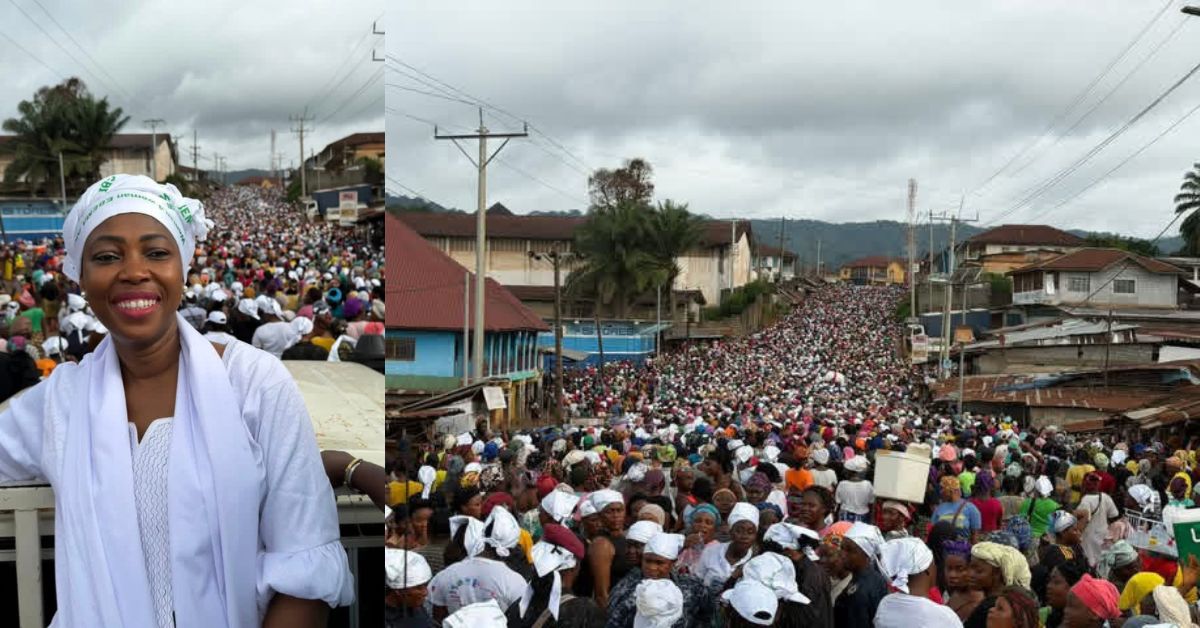
The recent controversy surrounding First Lady Fatima Maada Bio’s remarks on Female Genital Mutilation (FGM) has reopened a sensitive and long-standing national debate on women’s rights, cultural practices, and child protection in Sierra Leone.
Years ago, the First Lady publicly stated that she did not allow her own daughters to undergo circumcision because she “did not want to see them cry.” While the statement was made in a personal context, it has continued to generate public reflection and criticism, raising a broader moral question: if the practice is considered too painful or harmful for some children, why should it remain acceptable for others?
THE IRONY OF LEADERSHIP
Leadership goes beyond safeguarding one’s immediate family; it requires a consistent commitment to the welfare of all citizens under the nation’s care. When public figures send mixed or unclear messages on sensitive issues, it can create confusion, weaken advocacy efforts, and complicate national conversations on reform.

The debate around FGM extends beyond culture and tradition. It is widely regarded by global health and human rights organisations as a violation of the rights of women and girls, with continued calls for its elimination in all forms.
Recent public discourse has also referenced criticism directed at the First Lady following her association with Bondo-related engagements and remarks interpreted by some stakeholders as lacking clarity on the future of the practice. These developments have intensified public scrutiny and reignited discussions around Sierra Leone’s commitment to ending harmful traditional practices.
CONVENIENCE VS PRINCIPLE
To her credit, the First Lady has previously stated her opposition to forced circumcision and has condemned any initiation carried out without consent. However, critics argue that ambiguity remains in the broader national stance, particularly regarding how cultural practices should evolve in line with modern human rights standards.
The central issue, however, extends beyond any individual. It speaks to a broader political tendency to balance competing cultural and reformist pressures without taking firm, consistent positions on critical national issues.
A nation cannot fully protect its girls while simultaneously sending mixed signals on practices widely recognised as harmful. Nor can it advocate for women’s rights while avoiding difficult but necessary conversations about traditions that affect health, dignity, and equality.
THE TEARS OF THE NATION
The statement, “I did not want to see my daughters cry,” may have been intended as a personal expression of maternal concern. Yet in the public sphere, it has become a symbol of the unequal standards often perceived in leadership discourse.
Every parent desires to protect their child from harm. But in governance, protection must be universal, not selective. The safety and dignity of children should not depend on status, wealth, or proximity to power.
If pain and harm are sufficient reasons to shield the children of the privileged, then the same principle must apply to every child in the country. Leadership, at its core, demands consistency, courage, and moral clarity.
Ultimately, the question before Sierra Leone is not merely political, but ethical: how do we reconcile cultural identity with the rights and protection of every girl child? The answer will require more than speeches—it will require honest dialogue, national consensus, and principled leadership.
My first lady mama just be focusing on issues that are matters about Sierra Leone 🇸🇱 growths. May God richly bless you. To hello with their FGM pandemic issues.