

Youth Leadership and African Ownership: Shaping the Future of Energy, Health, and Agriculture
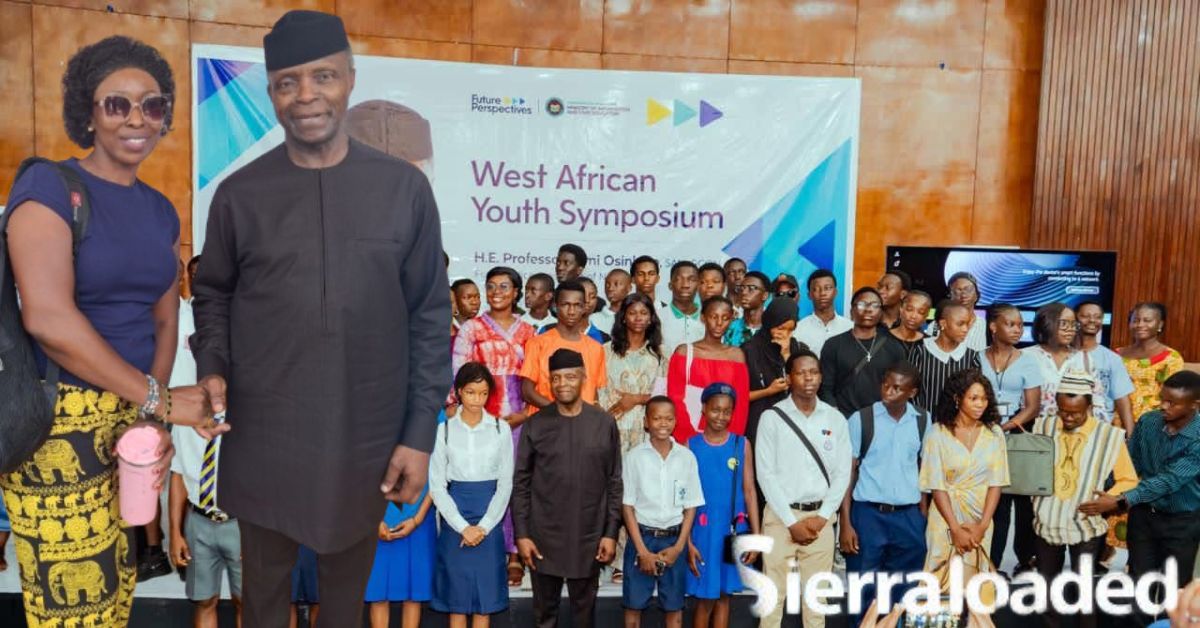
Across Africa, a new generation is rising, young leaders determined not only to inherit the continent’s future but to actively shape it. From bustling cities to rural farming communities, African youth are stepping forward with bold ideas and innovative solutions to some of the continent’s most pressing challenges.
At the heart of this movement lies a powerful principle: African ownership – the belief that Africa’s development must be driven by Africans themselves.
For decades, conversations about Africa’s progress have often been framed around external aid and international intervention. While global partnerships remain important, many young Africans now argue that sustainable development will only take root when the continent’s people lead the process.

With energy, health, and agriculture forming the backbone of economic growth and social wellbeing, youth leadership in these sectors is increasingly shaping the trajectory of Africa’s future.



Energy remains one of the most critical challenges facing the continent. Millions of households across Africa still lack reliable electricity, limiting opportunities for education, business, and technological advancement. Yet young innovators are redefining the narrative.
Across several countries, youth-led startups are introducing solar-powered systems, mini-grids, and other renewable solutions designed for local communities. These innovations are not only addressing energy shortages but also creating jobs and promoting environmentally sustainable growth.
Equally important is the transformation underway in Africa’s health sector. The COVID-19 pandemic exposed gaps in healthcare systems across the globe, but it also sparked a wave of innovation among young African professionals.
From digital health platforms that connect patients to doctors remotely, to mobile clinics and community health initiatives, youth are helping to expand access to essential services. Their work demonstrates that local knowledge and creativity can play a powerful role in strengthening healthcare systems.
Agriculture, the livelihood of millions of Africans, is also undergoing a quiet revolution led by young people. Traditionally viewed as an industry for older generations, farming is increasingly attracting youth who are bringing technology, research, and entrepreneurial thinking into the sector.
Through climate-smart farming techniques, agritech platforms, and value-chain innovations, young farmers and entrepreneurs are improving productivity while responding to the growing threats of climate change and food insecurity.
What connects these efforts is a shared belief in African ownership. Young leaders are advocating for solutions that reflect local realities rather than imported models that may not fit the continent’s diverse contexts. They are calling for stronger partnerships between governments, the private sector, and communities, while emphasizing the need for domestic investment in youth innovation.
At the same time, youth leadership does not exist in isolation. Many young Africans recognize the importance of collaboration across generations. Experienced policymakers, educators, and industry leaders possess valuable knowledge that can guide emerging innovators. When combined with the creativity, energy, and digital fluency of young people, this partnership creates a powerful foundation for progress.
Despite the optimism, challenges remain. Limited access to financing, inadequate infrastructure, and policy barriers continue to hinder many youth-driven initiatives. Addressing these obstacles will require governments and institutions to create enabling environments where young people can experiment, innovate, and scale their ideas.
Nevertheless, the momentum is undeniable. Across the continent, youth are proving that Africa’s future does not have to be defined by its challenges. Instead, it can be shaped by the ingenuity and determination of its people.
As Africa looks toward the coming decades, the message from its young leaders is clear: the continent’s greatest resource is not only its minerals, land, or natural wealth, but its people. With youth leadership and African ownership guiding the way, the future of energy, health, and agriculture may well become the foundation of a stronger, more self-reliant Africa.