

A Tale of Two Suspects: Why Remorse, Not Politics, Explains Zainab Sheriff’s Sentence
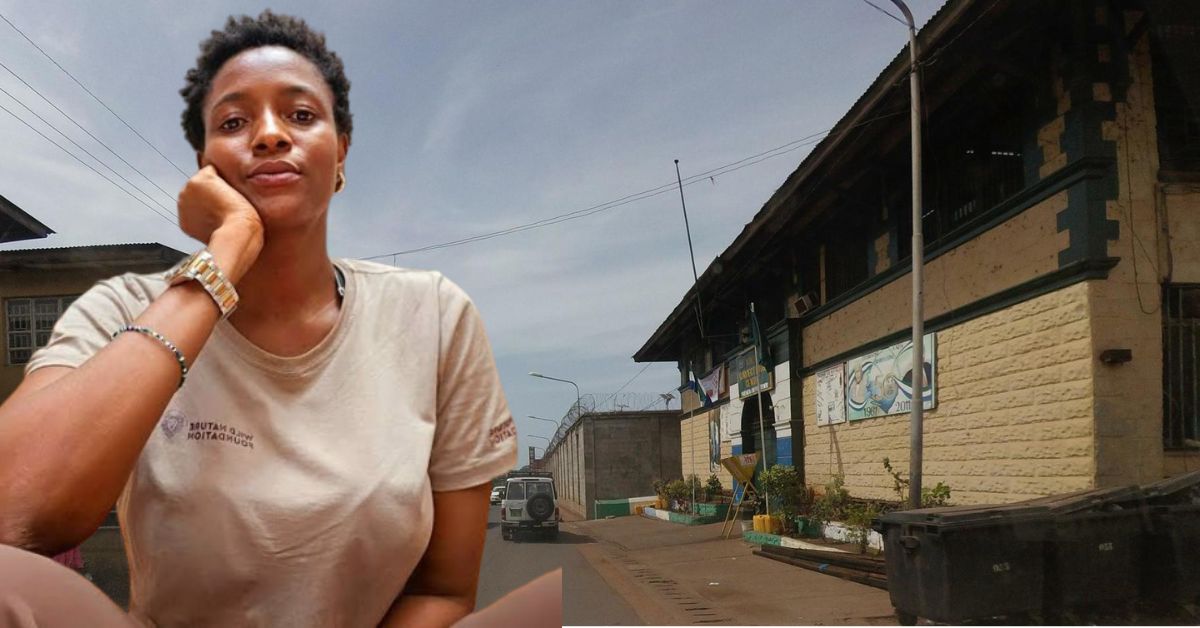
When two people utter nearly identical threats against the state, yet one walks free and the other faces four years behind bars, the instinct to cry “selective justice” is understandable.
But a closer look at the cases of Zainab Sheriff and Kadiru Kaikai reveals something the headlines have missed: the difference was never about their words. It was about what happened after.
Let me be clear. Both made reckless, dangerous statements. Both incited emotions in a country with fresh memories of political violence. On paper, the offenses appear similar. But justice does not end at the moment a threat is spoken. It extends into every subsequent choice the accused makes.

Kadiru Kaikai made his statement, faced immediate public backlash from his party and the general public, and did something remarkably rare: he owned his mistake. He apologized-genuinely, publicly, without qualification.

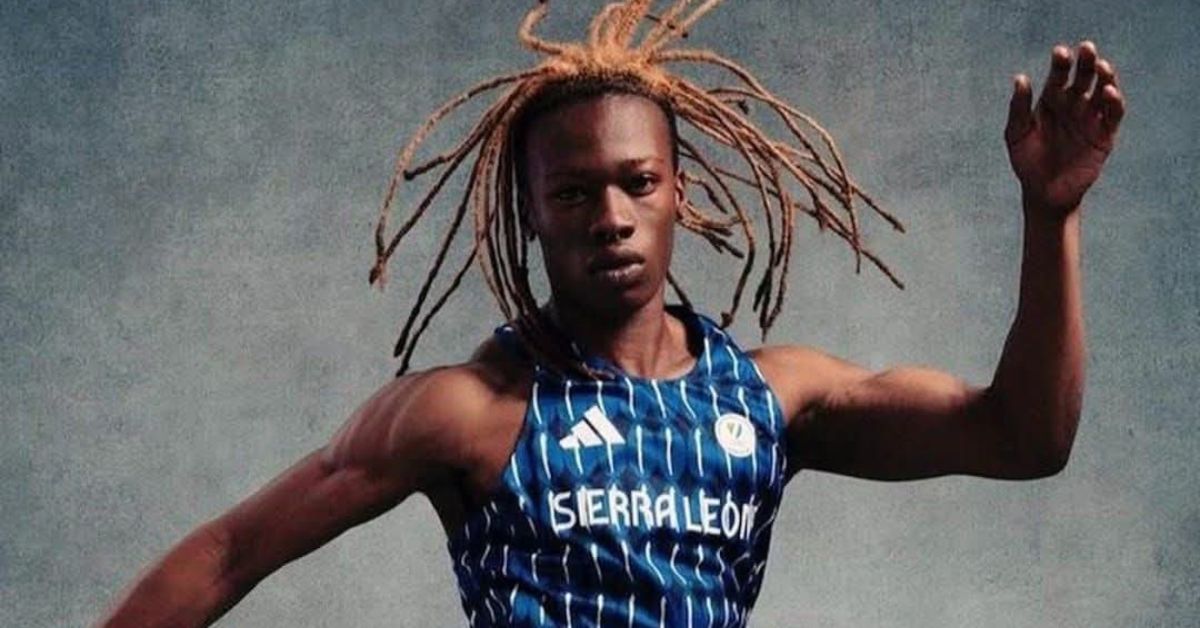

He walked into the police station voluntarily. He cooperated fully. He treated law enforcement not as an enemy to be evaded, but as an authority to be respected. The result? A stiff warning. Freedom. A second chance.
Now consider Zainab Sheriff. When the PPRC imposed a fine, she mocked it. When the police declared her wanted, she made defiant videos daring them to act. She warned “her party” against paying any penalty.
She went underground. She forced law enforcement to hunt her down. And even after arrest, through every stage of trial, she offered no apology, no acknowledgment of wrongdoing, no reflection on how her words could have ignited real violence against “anyone that engages in electoral malpractice.”
This is not a political defense of the judiciary. It is a sober recognition of how accountability works in any functioning system. Remorse is not merely a nice gesture-it is evidence. It signals to a court that the offender understands the harm, is unlikely to reoffend, and does not pose an ongoing threat. Its absence signals the opposite.
Four years is a heavy sentence. On compassionate grounds, I would have preferred a lighter term with a stern warning. But was it overboard? No. When a defendant doubles down, evades capture, and treats the state’s authority with contempt, she is not merely being punished for her original words. She is being punished for every defiant choice that followed.
To Zainab Sheriff, I would say this: before you pursue an appeal, consider a different path. Issue a public apology-not a political statement wrapped in regret, but a genuine acknowledgment of the fear your words caused.
Show the court, and the nation, that you understand why threatening to “slaughter” families-even rhetorically-has no place in our democracy. Demonstrate remorse not as a legal strategy, but as a human one.
This country has seen too much political violence. We have buried too many citizens whose only crime was being on the wrong side of someone’s incitement. Mercy is possible. But mercy requires something to work with. It requires a defendant who is willing to say, “I was wrong.”
Kadiru Kaikai understood this. That is why he walks free. Zainab Sheriff has so far refused. That is why she sits in a cell. The difference was never about which party they support. It was about which path they chose when the cameras turned off.
And that, I believe, is justice-imperfect, uncomfortable, but not blind to what happens after the words are spoken.
Zainab Sheriff is very proud and her ego will carry her that far. If ever she could have apologized, forget about politics and pride/ego, apologize, I don’t think she could have got jailed sentence. I’m sure about it. Well, she will learn.
What’s there to apologise with the use of the word (IF) can someone skule me with this
Pride, arrogance, ego = Stupidity.
And because she didn’t behave as you’d wish, her freedom was taken? Beg to differ, the main case here is freedom of speech; I don’t like your assessment, but I respect it, and that’s exactly the case. I see everyone judging this on moral grounds – bad behaviors, no remorse, who are we? Who made us morality policemen, she still has a right to her opinion.