

Dr. Marcella Ryan-Coker Makes History as Sierra Leone’s First Female Orthopaedic Surgeon
 Daniel Amara
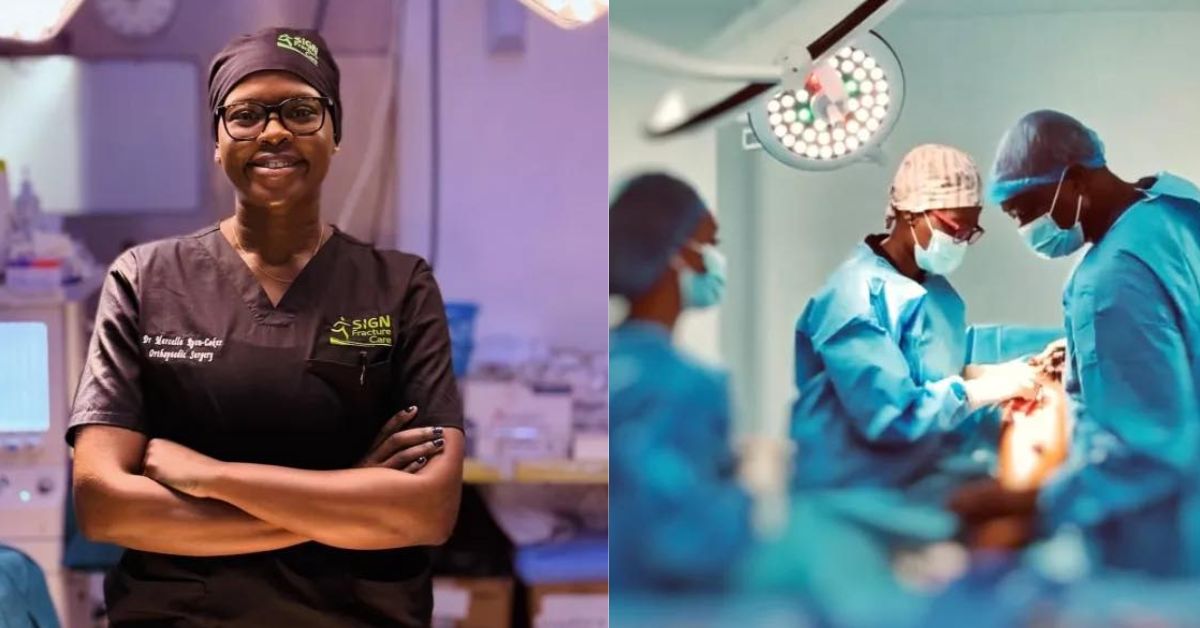
Dr. Marcella Ryan-Coker has become Sierra Leone’s first female orthopaedic surgeon, marking a significant milestone in the country’s medical sector and advancing women’s representation in surgical leadership.
Dr. Ryan-Coker is also leading efforts to improve trauma care and expand access to surgery across Sierra Leone, with a focus on ensuring treatment is available regardless of a patient’s financial status.

She said her commitment to healthcare equity was strengthened during her studies for a Master’s degree in Global Health and Development at University College London (UCL), where she engaged with international researchers and health professionals addressing global challenges.


While at UCL, her dissertation examining the economic burden of road traffic accidents in Sub-Saharan Africa was recommended for publication, helping launch her career in research and policy advocacy.
Since then, she has combined clinical practice with research focused on trauma care in Africa, humanitarian surgery, and barriers affecting women pursuing surgical careers.
Following her postgraduate studies, Dr. Ryan-Coker moved to Nairobi for residency training and later completed a fellowship with the Royal College of Surgeons of England as a Humanitarian Surgery Research Fellow.
Beyond her clinical work, she has become an advocate for women in surgery and orthopaedics, mentoring young female doctors and speaking publicly about challenges she experienced during medical training in Sierra Leone.
“I had no one fighting for me. Now, I’m in a position where I can be that voice for others and amplify their struggles and concerns,” she said.
Her resolve to strengthen Sierra Leone’s health system was further shaped by the Ebola outbreak and the COVID-19 pandemic, periods during which she worked with a non-governmental organisation amid shortages of protective equipment for health workers.
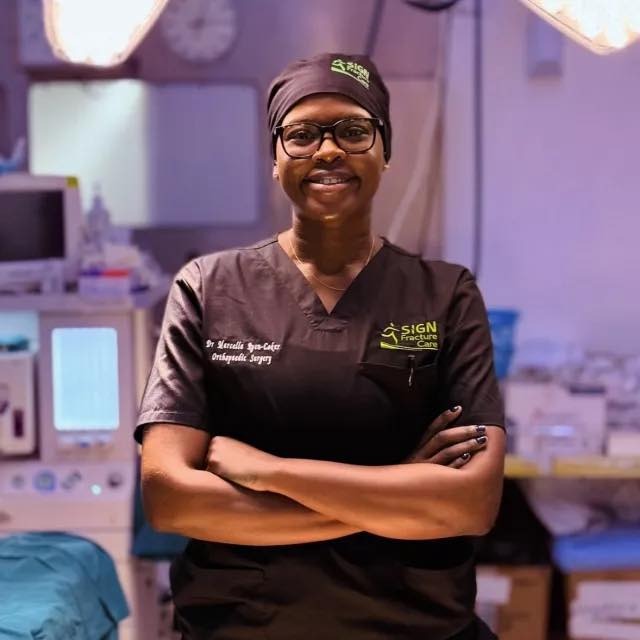
Dr. Ryan-Coker said her current mission centres on improving surgical infrastructure, promoting equal opportunities, and supporting future generations of women in medicine.
“On the tough days, it’s the small wins that keep me going a patient who recovers, a child who survives,” she said.
She also called for stronger collaboration between global institutions and low- and middle-income countries, urging universities to recognise such nations as equal partners in innovation and research.