

Health Minister Demby Outlines Sierra Leone’s Shift Toward Universal Health Coverage
 Osman Tolo Sesay
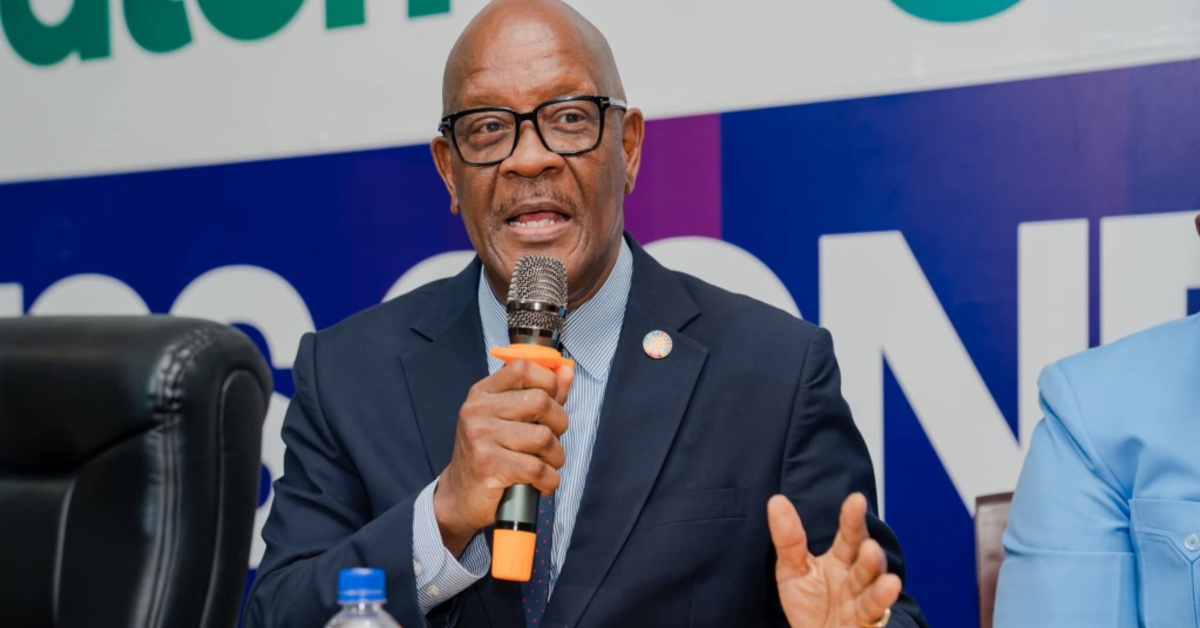
 Minister of Health Dr. Austin Demby has highlighted Sierra Leone’s ongoing transformation in the health sector, emphasizing a people-centered approach to healthcare delivery as the country advances toward achieving Universal Health Coverage.
Speaking at the weekly government press conference at the Miatta Civic Centre on Tuesday, June 9, 2026, Dr. Demby said the focus is shifting away from addressing individual diseases in isolation toward delivering healthcare that responds to people’s needs throughout every stage of life.
“Universal Health Coverage is fundamentally about people. We cannot continue to focus only on individual diseases such as malaria, tuberculosis, or HIV. One person can suffer from all three at the same time. Therefore, our approach must focus on the whole person rather than isolated diseases,” he said.

The Minister explained that the government is adopting a life-stage approach to healthcare, beginning with pregnancy and continuing through infancy, childhood, adolescence, adulthood, and old age. He noted that ensuring safe pregnancies, healthy births, quality child healthcare, and effective school health services are critical components of the strategy.


Dr. Demby identified strengthening primary healthcare as a top priority, with investments nationwide to construct new health facilities, rehabilitate existing ones, improve staffing levels, and ensure the availability of essential medicines, supplies, and equipment.
He also highlighted investments in secondary and tertiary healthcare, including the construction of new 100-bed hospitals in Karene, Pujehun, and Moyamba. The government has expanded access to advanced medical technologies such as CT scanners, ultrasound equipment, and dialysis machines to improve diagnosis and treatment outcomes across the country.
“Our priority is strengthening referral systems,” Dr. Demby said. He noted significant investments in ambulance services to improve emergency response and patient transfers. Ambulances are now equipped with GPS tracking, oxygen, trained personnel, and essential medical supplies, and citizens can access emergency services through the 117 hotline.
On the healthcare workforce, the Minister revealed that the number of doctors trained annually has increased from approximately 30 to about 250, with plans to expand to 300 per year. Similar investments, he added, are being made in the training of nurses and midwives to improve both the quantity and quality of healthcare professionals.
Dr. Demby stressed that the success of health sector reforms would be measured by tangible improvements in health outcomes. “Success will be measured by reductions in maternal mortality, reductions in infant mortality, increases in survival rates, reductions in teenage pregnancy, and improvements in the overall health and wellbeing of the people of Sierra Leone,” he said.
He concluded that early indicators show significant progress, stating that Sierra Leone’s health sector continues to record positive improvements as investments in infrastructure, personnel, and service delivery begin to yield results.