

Vickie Remoe Raises Concerns Over Proposed “Aminata” Oil Deal

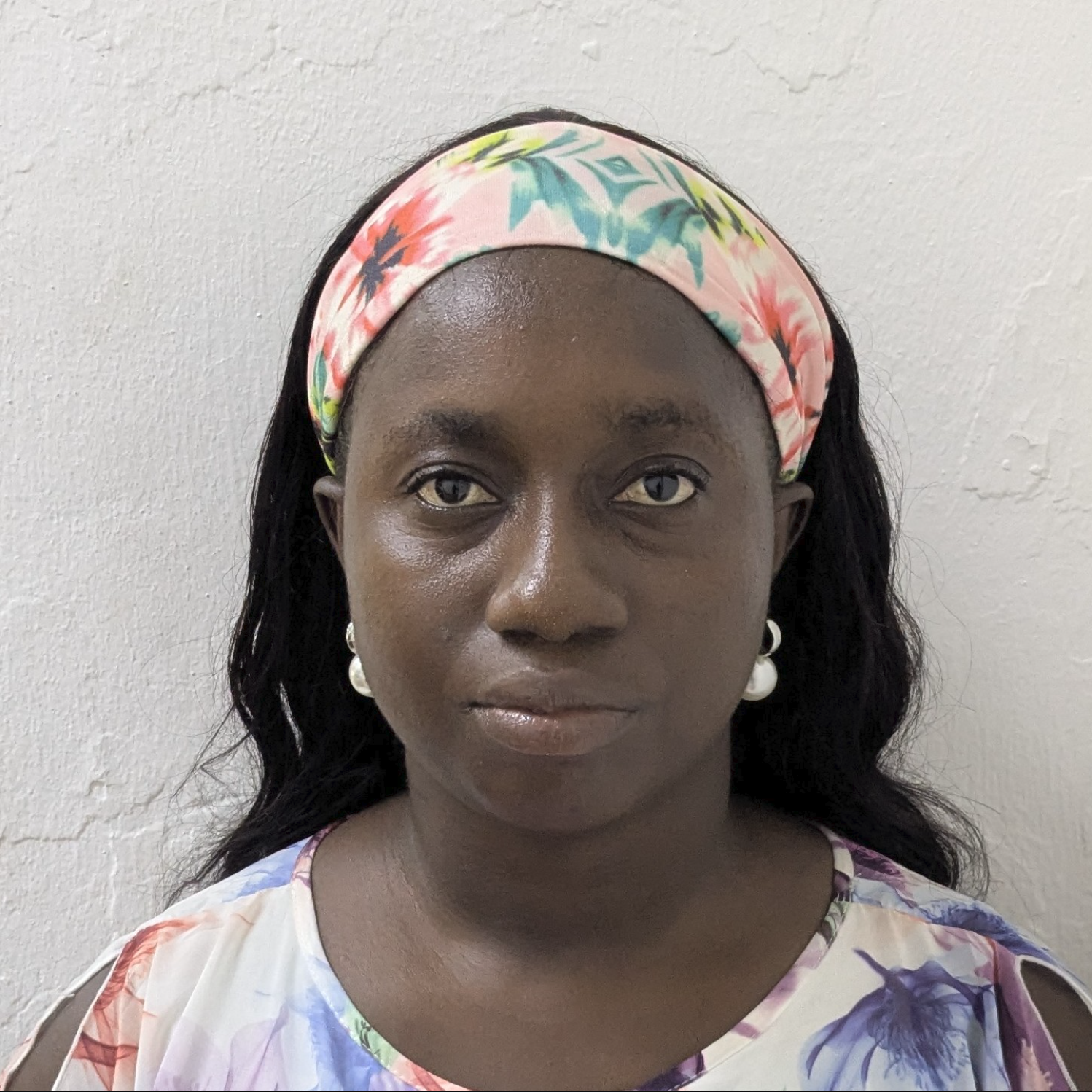 Aminata Koroma
 Media personality and entrepreneur Vickie Remoe has expressed strong concerns over a proposed concession agreement involving a foreign-owned oil company, Aminata, describing the development as alarming and potentially unfair to local businesses.
Speaking during a recent Facebook Live session, Remoe said she was “shocked” after reading details of what she referred to as the “Aminata deal,” which she claims grants preferential treatment to a foreign company over existing players in Sierra Leone’s energy sector.
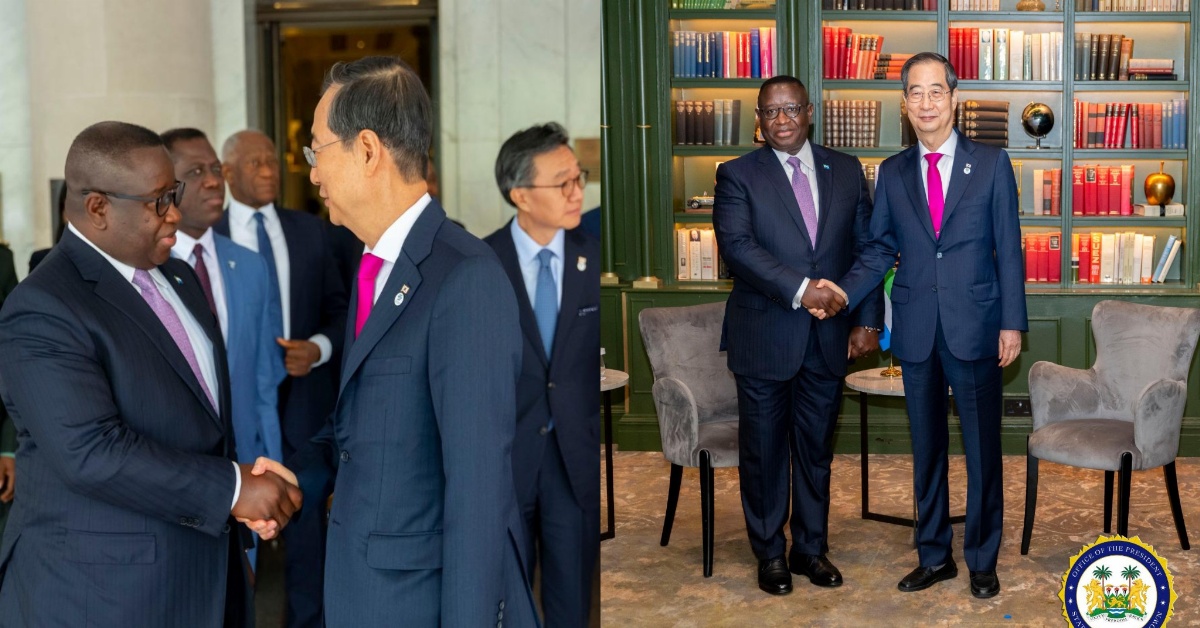
Providing historical context, Remoe recalled that over 30 years ago, the Government of Sierra Leone operated several parastatal companies. Following the World Bank’s advice to liberalise the economy, the government moved to privatise some of these entities, including the National Petroleum Company (NP). At the time, President Julius Maada Bio served as Head of State.

According to Remoe, NP was subsequently sold through a competitive bidding process, which was won by a group of Sierra Leonean professionals, many of whom were engineers and former employees of multinational oil firms such as Shell. These individuals reportedly pooled their end-of-service benefits to acquire the company.
Remoe highlighted NP’s longstanding relationship with the government, noting that the company remains a major supplier of fuel to state institutions, often extending credit amounting to millions of dollars. She emphasised that this arrangement has enabled the government to continue operating effectively despite financial constraints.
She further pointed to NP’s contributions to national development, citing projects such as the Aberdeen Women’s Centre, the Bunce Ward at Connaught Hospital, and an engineering building at Fourah Bay College valued at over $2 million, all reportedly financed by NP or its leadership.
Despite these contributions, Remoe questioned the rationale behind the government’s reported plan to grant Aminata a special concession. She stated that a document submitted to Parliament by the Ministry of Trade proposes tax exemptions for Aminata on fuel imports for a period of three years.
“This means a foreign-owned company will not pay taxes, while NP, which is owed millions by the government, continues to do so,” Remoe argued, stressing that NP has not objected to paying taxes but raising concerns about fairness.
Drawing comparisons with Liberia, Remoe alleged that when NP previously attempted to expand operations there, it faced significant resistance from Aminata and its backers, with support from the Liberian government to block NP’s entry. She suggested that Liberia’s actions were driven by a desire to protect and promote locally owned businesses.
In contrast, she expressed disappointment that Sierra Leone appears to be offering preferential treatment to a foreign company, especially at a time when local enterprises are striving to grow.
Remoe concluded by urging the government to prioritize the development of indigenous businesses. She called on policymakers to focus on creating more wholly Sierra Leonean-owned companies across various sectors, and to design tax policies and business conditions that encourage their growth.
“The conversation should be about how we build and support local companies, not how we weaken them while giving advantage to foreign competitors,” she stated.