
Former Union Trust Bank Executive Director Claims Unfair Treatment by Central Bank
 Sia Lucy Kannah
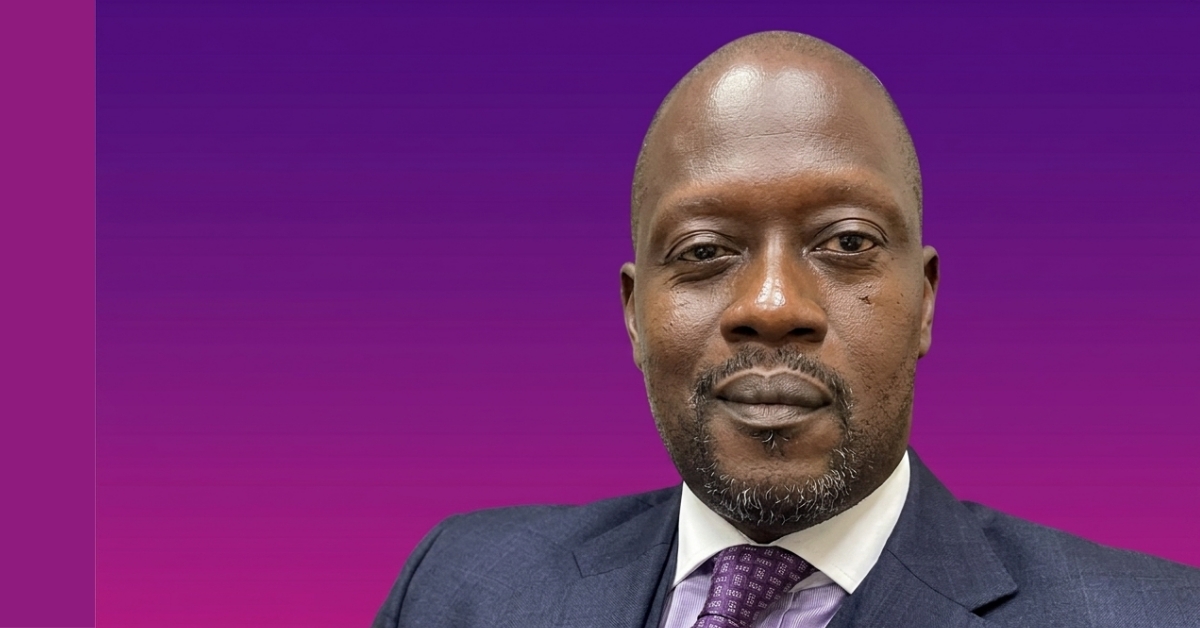
 The former Executive Director of Union Trust Bank (UTB),Wusu Bai Koroma, claimed that the Bank of Sierra Leone treated them unfairly when their bank was liquidated. Koroma made this claim during an interview with Ecko Media.
The former Executive Director expressed deep disappointment over the closure, asserting that the indigenous financial institution was “unfairly treated” despite emerging from a prolonged period of financial distress and attracting viable recapitalisation offers.
During the interview, Koroma stressed UTB’s unique position in the nation’s financial sector as the only fully indigenous bank in Sierra Leone.

“We were the only indigenous bank in Sierra Leone, meaning we were the only bank owned and managed by Sierra Leoneans,” Koroma stated, noting that the bank’s stakeholders comprised both local corporate entities and individual Sierra Leonean citizens.

When questioned about why these shareholders failed to mobilise a bailout package before the Central Bank intervened, Koroma clarified that while they could not coordinate in time, internal conflict was not the cause. Instead, he pointed to a challenging six-year period of financial losses that had severely dampened investor confidence.
According to the former Executive Director, the bank’s leadership had recently managed to reverse its fortunes through rigorous restructuring.
“We took some prudent measures, we made a lot of sacrifices for the six years we were making losses,” Koroma explained. “But we turned things around.”
He noted that as the bank returned to profitability, interest from potential investors surged. In the months leading up to the liquidation, UTB reportedly received multiple financial injection offers from both domestic and international corporate entities and private investors.
Koroma revealed that UTB had forwarded concrete investment proposals to the Central Bank aimed at meeting the required minimum capital threshold. However, he claimed these submissions were entirely ignored by the regulator.
“We had proposals that we sent to the Central Bank. They were not responded to, they were neither acknowledged… they were never even addressed,” Koroma said, adding that the Central Bank failed to engage with the interested investors to review their terms.
When asked how he felt seeing the institution slip away, Koroma did not mince words: “Unfairly treated. As a Sierra Leonean, as a Sierra Leonean business, unfairly treated.”
The Bank of Sierra Leone has maintained that its actions against non-compliant financial institutions are strictly regulatory measures intended to protect depositors and maintain the stability of the country’s financial system.