

Caritas Freetown Delegation Visits REAR Rehab Centre, Strengthens Fight Against Kush Abuse
 Sahid Bangura
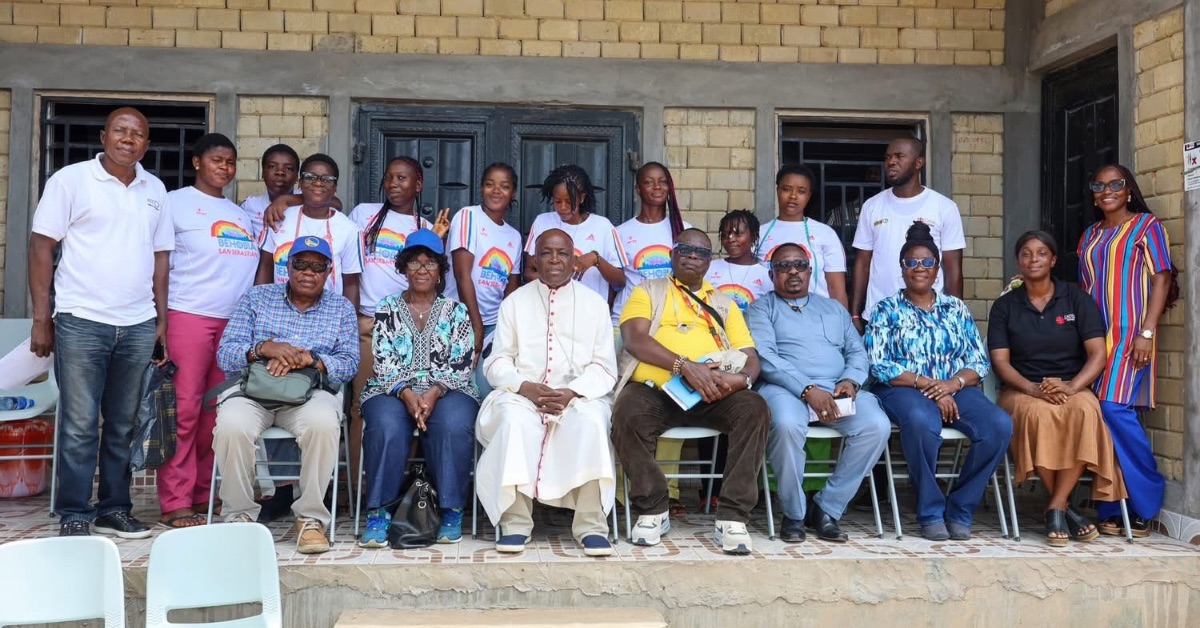
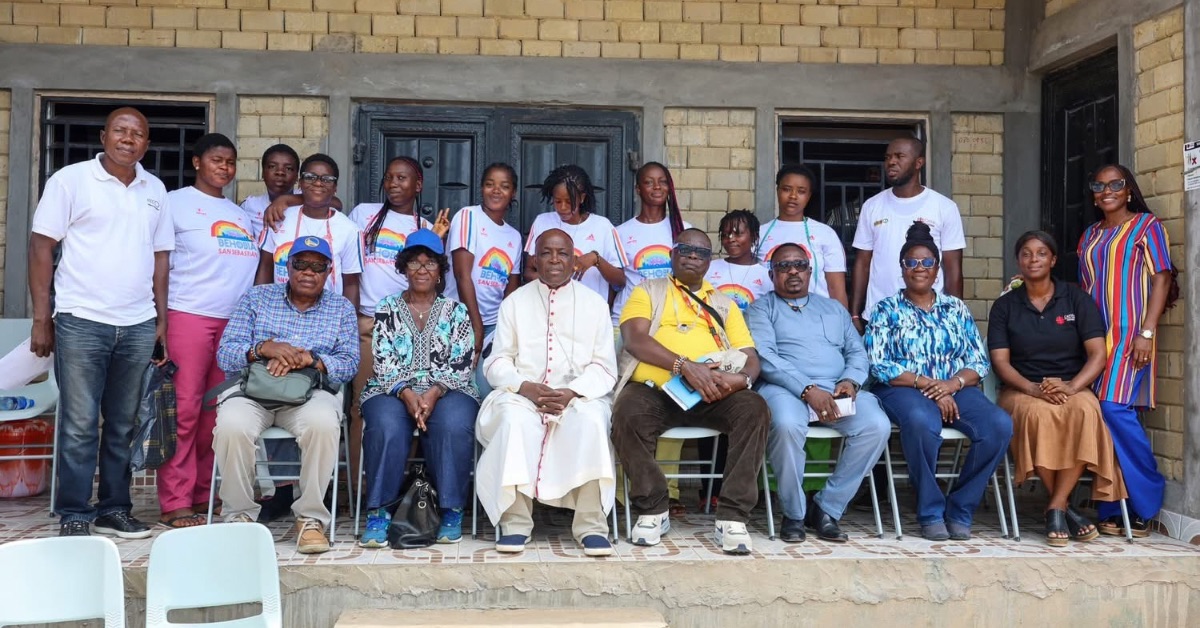
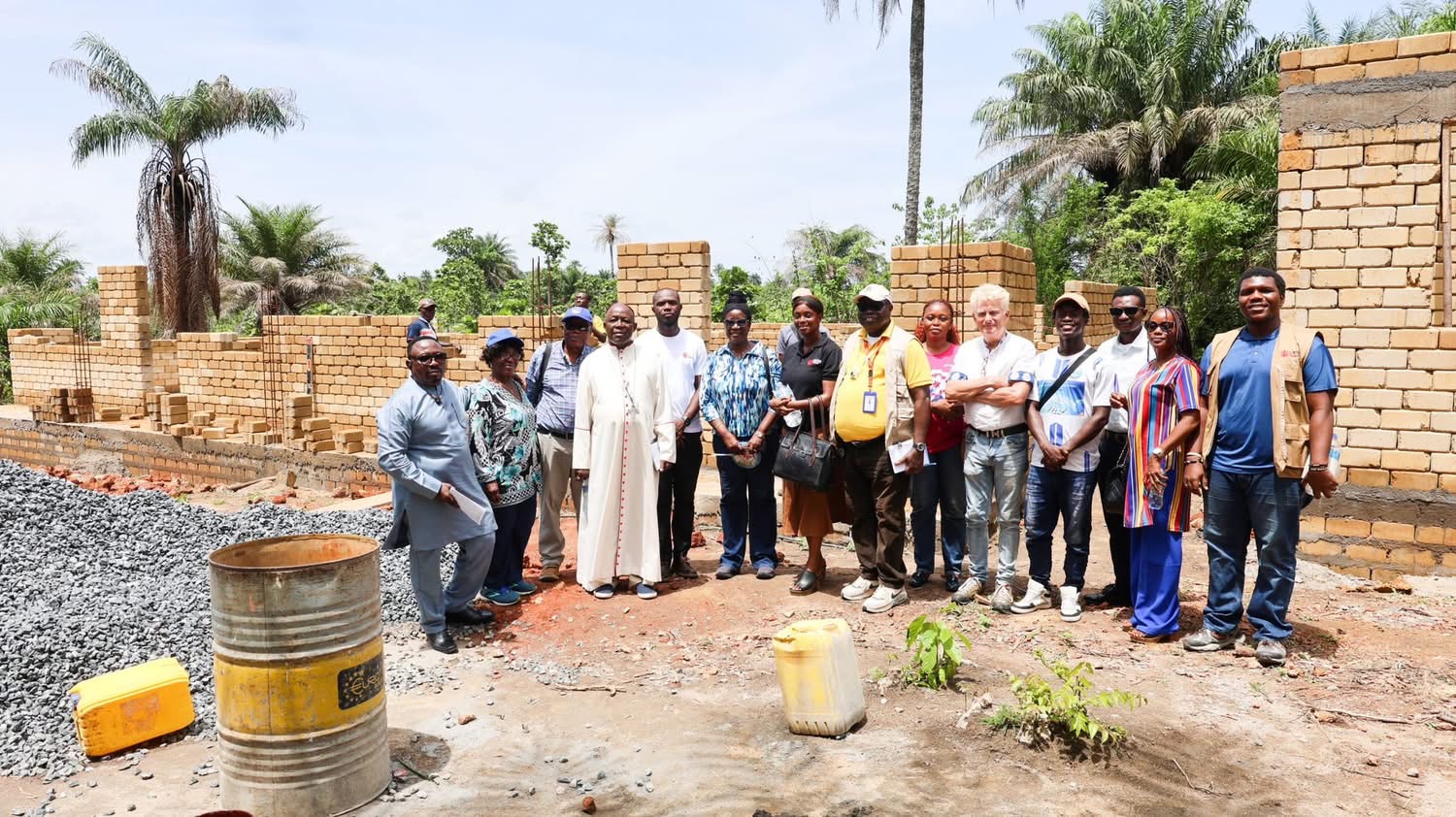
 A delegation from Caritas Freetown, led by Board Chairman Archbishop Edward Tamba Charles, on Tuesday, May 26, 2026, visited the Rehabilitation and Empowerment of Youth Affected by Drugs (REAR) rehabilitation centre at Makomba Village, off Newton, as part of efforts to strengthen support for young people affected by the growing kush drug crisis in Sierra Leone.
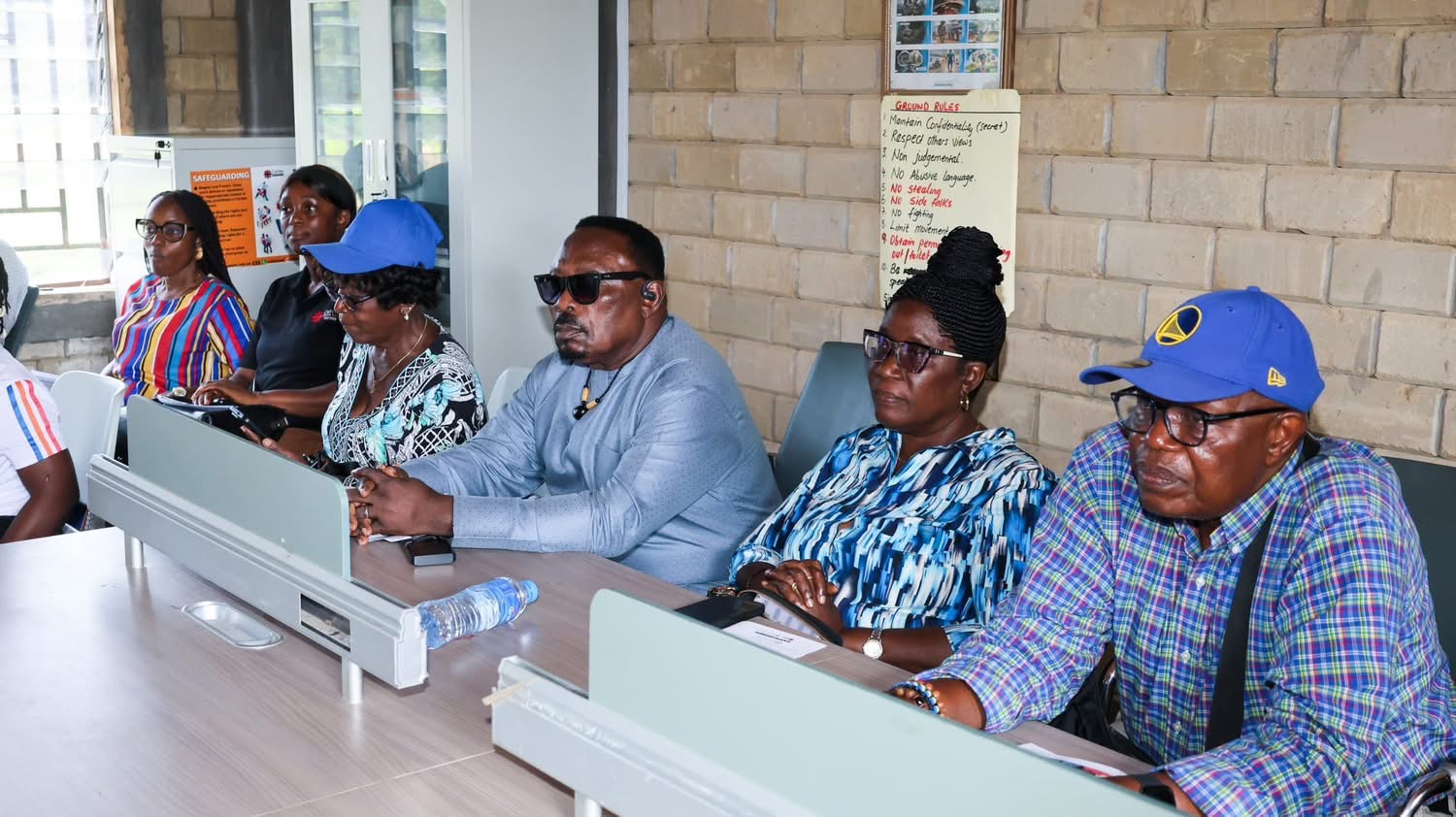
The visit brought together board members, management staff, and project personnel to assess the progress of the rehabilitation programme, engage beneficiaries, and reaffirm the organisation’s commitment to supporting the recovery and reintegration of young people struggling with substance abuse.
The REAR Project was established by Caritas Freetown in response to the increasing abuse of kush, a dangerous synthetic drug widely linked to severe addiction, homelessness, exploitation, violence, and the loss of educational and economic opportunities among young people, particularly in Freetown and surrounding communities.

APC Rejects SLPP’s Push for PR Expansion, Executive Power-Sharing and Creation of New Districts
Sierra Leone’s Ambassador to Russia And Minister of Local Government Inspects 50 Dumping Trucks Donated by Russia
US Proposed Travel Ban on Sierra Leone: Foreign Minister, Timothy Kabba Summons US Ambassador
The rehabilitation centre at Makomba Village provides counselling, psychological care, rehabilitation services, and vocational skills training for young people recovering from addiction.
During the visit, members of the delegation interacted with beneficiaries to better understand the impact of the programme and the challenges faced by recovering youth. Among those present were Rev. Fr. Peter Konteh, Thomas Sheku Kenah, Peter Menjor, and other representatives and staff of Caritas Freetown.
Project officials disclosed that between January and May 2026, sixteen young girls were enrolled in the residential rehabilitation programme. Out of the sixteen beneficiaries, twelve are currently progressing toward successful reintegration into society through counselling, rehabilitation, and vocational training support.
One of the beneficiaries, Esther Mustapha, shared her experience of addiction and recovery during an interaction with the delegation.
Esther explained that after passing both the National Primary School Examination (NPSE) and the Basic Education Certificate Examination (BECE), she was unable to continue her education because her father could not afford to pay her school fees.
According to her, during that difficult period, a friend introduced her to kush. She later relocated from Bo to Freetown without family support, where her addiction worsened.
“To survive and sustain my dependency on the drug, I engaged in survival sex work and often slept in gutters and shop verandas,” she said.
Esther stated that her recovery journey began after she was identified by a Caritas project staff member in Funkia and referred to the rehabilitation programme.
“The project has given me the courage to reintegrate into society and pursue a productive future. It has helped me become a person in society again,” she said.
She is currently undergoing tailoring training at the centre after successfully stopping the use of kush through counselling, psychological support, and vocational empowerment provided under the programme.
Speaking during the visit, Archbishop Edward Tamba Charles commended the project team for their dedication to restoring hope among vulnerable young people affected by drug addiction.
He also praised the beneficiaries for embracing rehabilitation and transformation despite the challenges they had experienced.
The Archbishop described the initiative as an important intervention aimed at restoring dignity, healing, and hope to young people struggling with substance abuse.
He said the project reflects Caritas Freetown’s mission of supporting vulnerable individuals to rebuild their lives and become productive members of society.
Delivering the vote of thanks on behalf of staff and beneficiaries, REAR Project Manager Murray Massaquoi expressed appreciation to the board members and guests for their continued support to the programme.
He noted that the visit had strengthened the confidence and motivation of both staff and recovering youth at the rehabilitation centre.