

New SOPs Introduced to Strengthen Sierra Leone’s Disease Outbreak Response Capacity
 Aminata Koroma
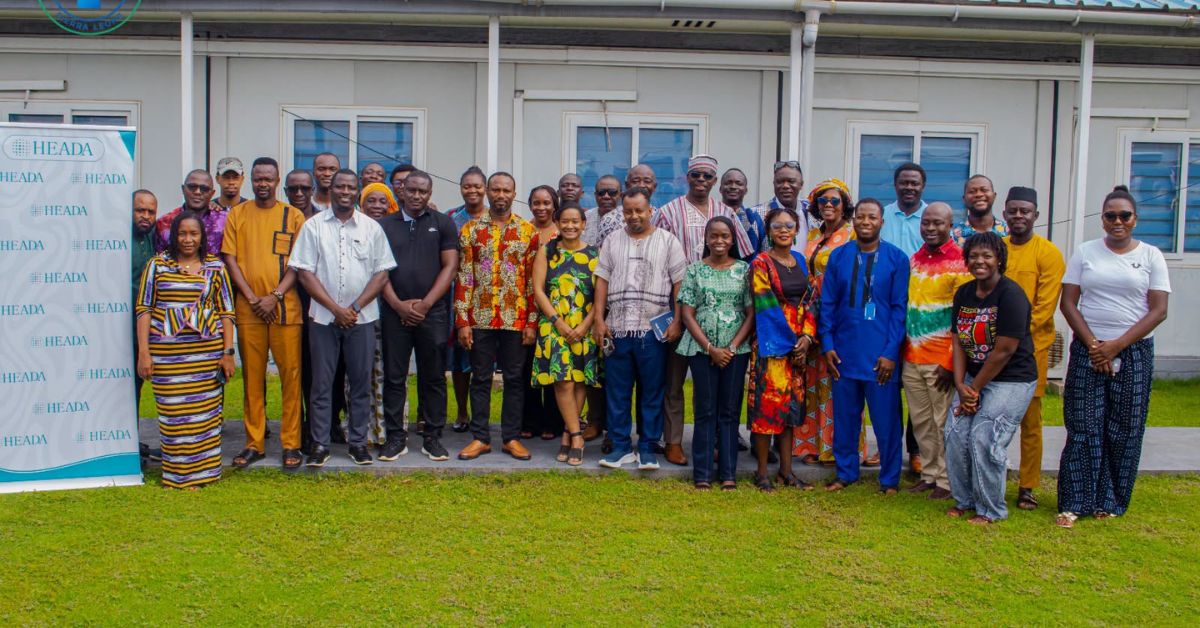
 The National Public Health Agency (NPHA), with support from the Centers for Disease Control and Prevention (U.S. CDC) through the HEADA project, has concluded a two-day workshop aimed at reviewing and updating the Standard Operating Procedures (SOPs) for Sierra Leone’s Rapid Response Teams (RRTs).
Rapid Response Teams are specially trained groups of health professionals deployed during public health emergencies to swiftly detect, investigate, and contain disease outbreaks. Over the years, these teams have played a crucial role in tackling major health threats in Sierra Leone, including Ebola, COVID-19, Cholera, Measles, Mpox, and other infectious disease outbreaks.
According to the NPHA, the revised SOPs incorporate lessons learned from previous emergency responses and are intended to improve coordination among response teams nationwide. The updated procedures also provide clearer definitions of roles and responsibilities, alongside practical guidance to ensure timely and effective interventions during health crises.

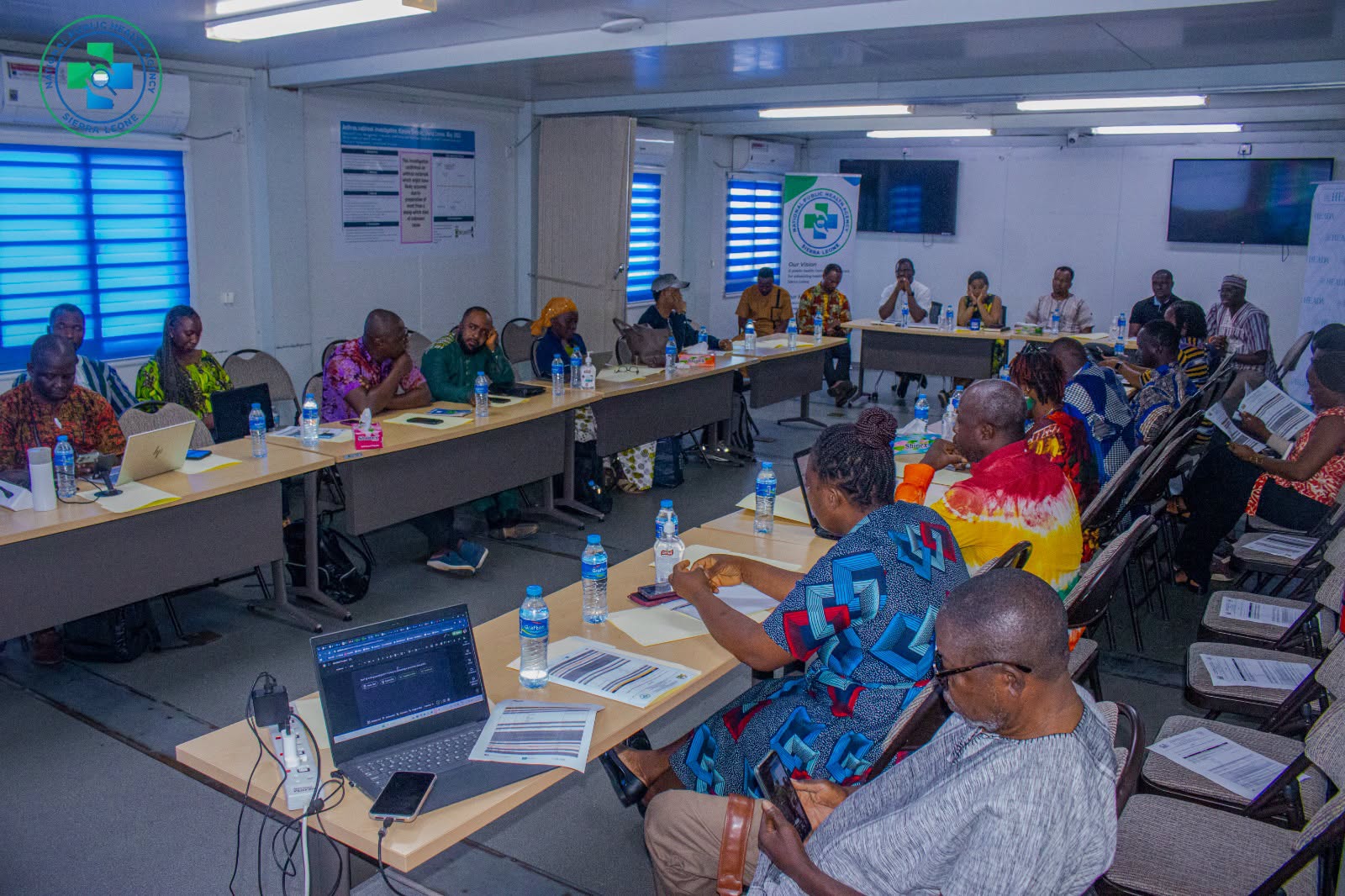


Health officials noted that the initiative is vital in ensuring Sierra Leone’s emergency response framework remains aligned with current national health priorities and international best practices. They added that the updated SOPs will strengthen the country’s capacity to rapidly respond to emerging public health threats.
By reinforcing the operational effectiveness of Rapid Response Teams, the NPHA said it continues to enhance national health security and protect the well-being of citizens across the country.

The agency further emphasized that improving emergency preparedness remains a critical step toward building a safer, healthier, and more resilient Sierra Leone.