

Residents to Experience Rotational Electricity as Bumbuna Dam Goes Offline for Maintenance
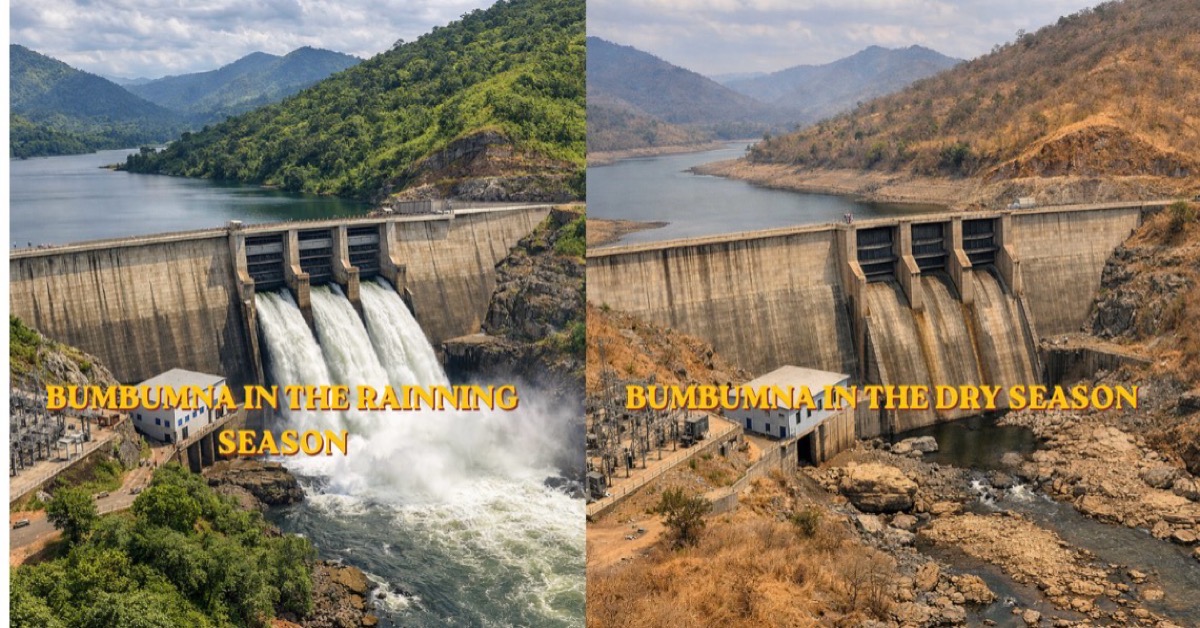
The Electricity Distribution and Supply Authority (EDSA) has assured residents of Makeni and surrounding communities that the planned 12-day shutdown of the Bumbuna Hydroelectric Dam for maintenance will not result in a complete blackout, as electricity supply will be carefully rationed to manage demand during the period.
Officials say the arrangement is part of a scheduled maintenance exercise aimed at ensuring the long-term safety and efficiency of the country’s main hydroelectric facility, which remains a cornerstone of Sierra Leone’s national electricity grid.
Rotational Power Supply to Prioritise Essential Services

Under the rationing plan, EDSA stated that priority will be given to critical facilities such as business centres, government offices, and health institutions, while residential areas will receive electricity on a rotational schedule.


The authority explained that the approach is intended to safeguard essential services while distributing limited power supply as evenly as possible throughout the maintenance period.
EDSA also attributed current electricity constraints to reduced water levels at the dam during the dry season, noting that generation capacity is expected to improve once the rainy season returns and water inflows increase.
The Northeast Resident Minister, Ibrahim Jalloh, welcomed the briefing and stressed the importance of timely public communication during the maintenance period.
“Communication is Power,” he said, urging EDSA to keep citizens regularly updated as the shutdown progresses in order to reduce uncertainty and public frustration.
The Bumbuna Hydroelectric Dam plays a critical role in Sierra Leone’s energy supply, but its heavy reliance on seasonal river flows continues to expose the national grid to periodic strain during dry months.
Maintenance shutdowns, while necessary for safe and sustainable operations, often coincide with periods of reduced water levels, creating additional pressure on an already limited energy supply system.
For many communities, the pattern has become familiar seasonal rationing, temporary relief measures, and recurring promises of long-term solutions that are yet to fully materialise.
While EDSA’s prioritisation plan is designed to protect hospitals and essential public services, households and small businesses are expected to bear the greatest impact of reduced electricity supply.
Rotational power distribution often results in unpredictable supply schedules, affecting families, small traders, and informal businesses that rely heavily on electricity for lighting, refrigeration, and communication.
Observers note that repeated cycles of rationing continue to place pressure on public confidence in the country’s ability to achieve a stable and reliable energy system.
Energy analysts and stakeholders have long pointed to the need for a more diversified and resilient power generation mix to reduce dependency on hydropower alone.
Proposed measures include expanding alternative energy sources, improving grid infrastructure, and investing in storage and backup systems to reduce vulnerability during dry seasons and maintenance shutdowns.
The 12-day shutdown at Bumbuna highlights the ongoing tension between necessary infrastructure maintenance and the everyday energy needs of communities.
While EDSA’s rationing strategy and government communication efforts are expected to ease immediate pressure, the situation underscores a broader structural challenge: the need for long-term reforms to ensure consistent and reliable electricity supply across the country.
Until such reforms are fully implemented, seasonal rationing and maintenance-related disruptions are likely to remain a recurring feature of Sierra Leone’s energy landscape.