

Social Welfare Ministry Graduates Seventh Cohort of Change Ambassadors
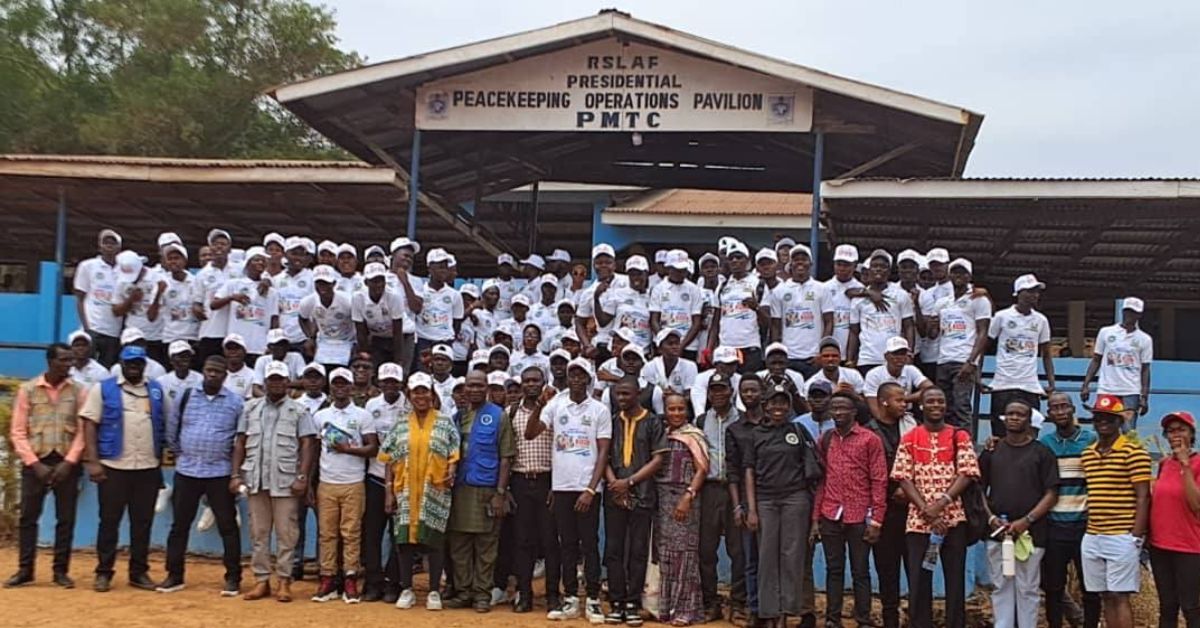
The Ministry of Social Welfare has officially discharged 100 rehabilitated former drug and substance users, marking the seventh cohort to be named Ambassadors of Positive Change. The graduation ceremony, held at the rehabilitation centre, celebrated the completion of an intensive recovery programme and the transformation of beneficiaries into community advocates for a drug-free life.
The event carried a strong sense of hope, pride, and renewal as beneficiaries who had battled addiction stepped headlong into new roles as role models and community leaders. Their journeys from the depths of substance dependence to public advocates for recovery were presented as living proof of the government’s commitment to human capital development and the broader fight against substance abuse across Sierra Leone.
The programme, which began on 6 March, combined clinical rehabilitation with reintegration support and skills development. Officials and development partners highlighted that success depended on coordinated efforts across government agencies and international partners, ensuring that recovery extends beyond treatment to include opportunities for meaningful social and economic participation.

Commandant Conel Keita spoke with visible emotion, expressing pride in the beneficiaries’ transformation. He described the programme as both challenging and life-changing and emphasised that rehabilitation must include reintegration and opportunity creation. He commended the Ministry and its partners for their steadfast support and reminded the newly discharged ambassadors of their responsibility to inspire others.
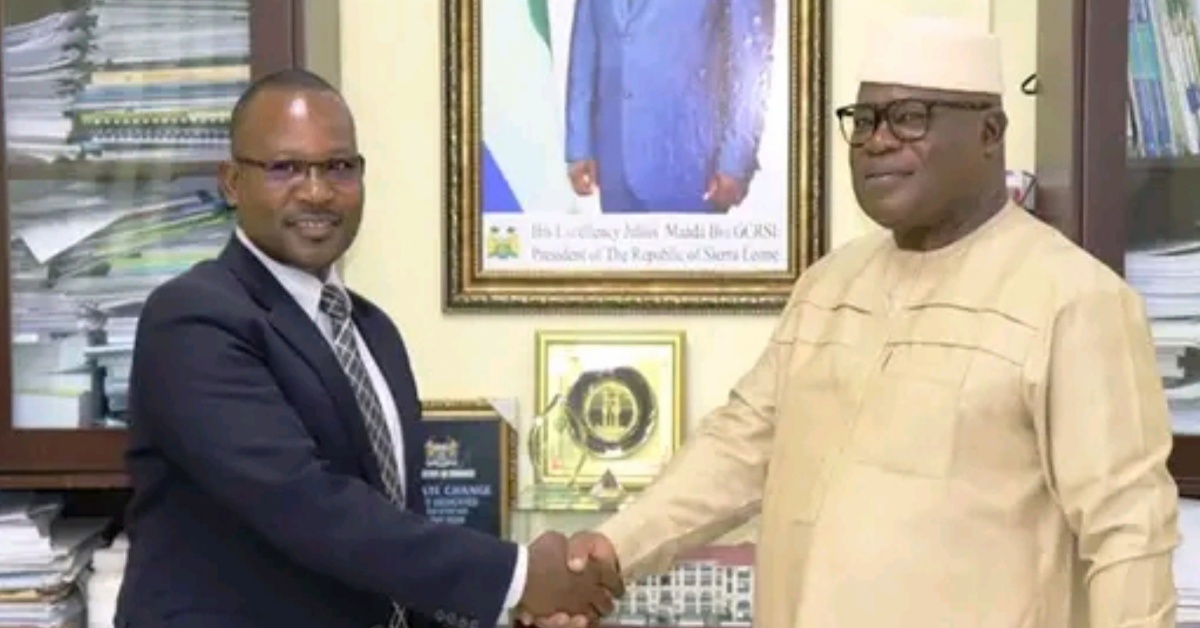
Speaking for development partners, Dr Abdul K. Mbawoh of the National Public Health Agency urged graduates to remain disciplined and committed to a drug-free life, stressing that sustained recovery depends on conscious choices and ongoing personal accountability.
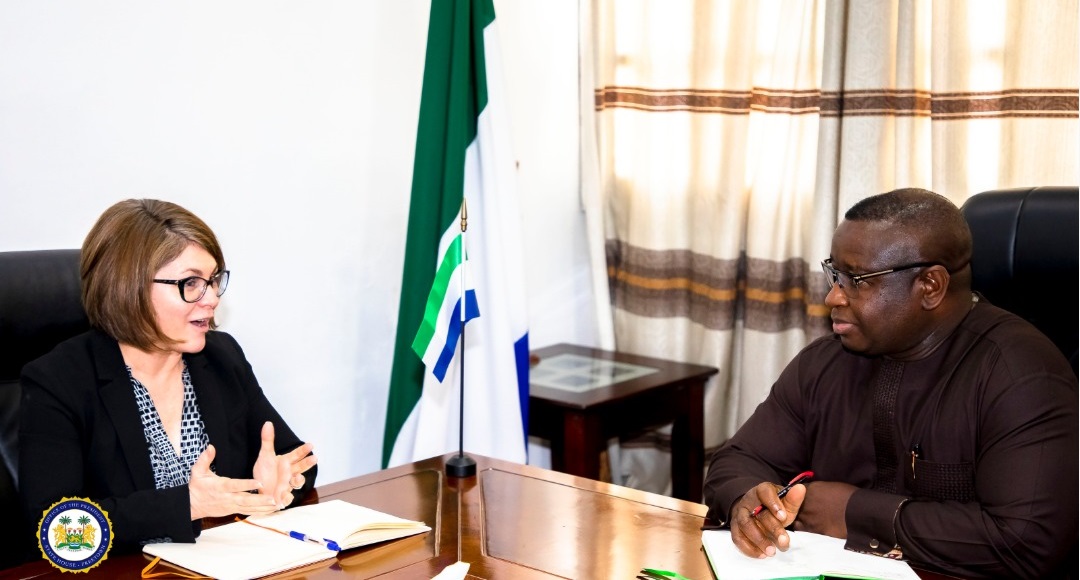
The United Nations Resident Coordinator, Robert Banamukena, called the occasion a powerful symbol of resilience and transformation. He encouraged the ambassadors to use their personal stories to influence positive change in their communities and reaffirmed the UN’s commitment to supporting rehabilitation, reintegration, and youth empowerment initiatives.
Delivering the keynote address, Minister of Social Welfare Melrose Karminty was visibly moved by the beneficiaries’ testimonies. The minister framed the event as a journey of restoration: individuals who once struggled with addiction now stood renewed and grateful for a second chance at life. Their testimonies, marked by gratitude, resolve, and renewed purpose, underscored the dignity that recovery can restore.
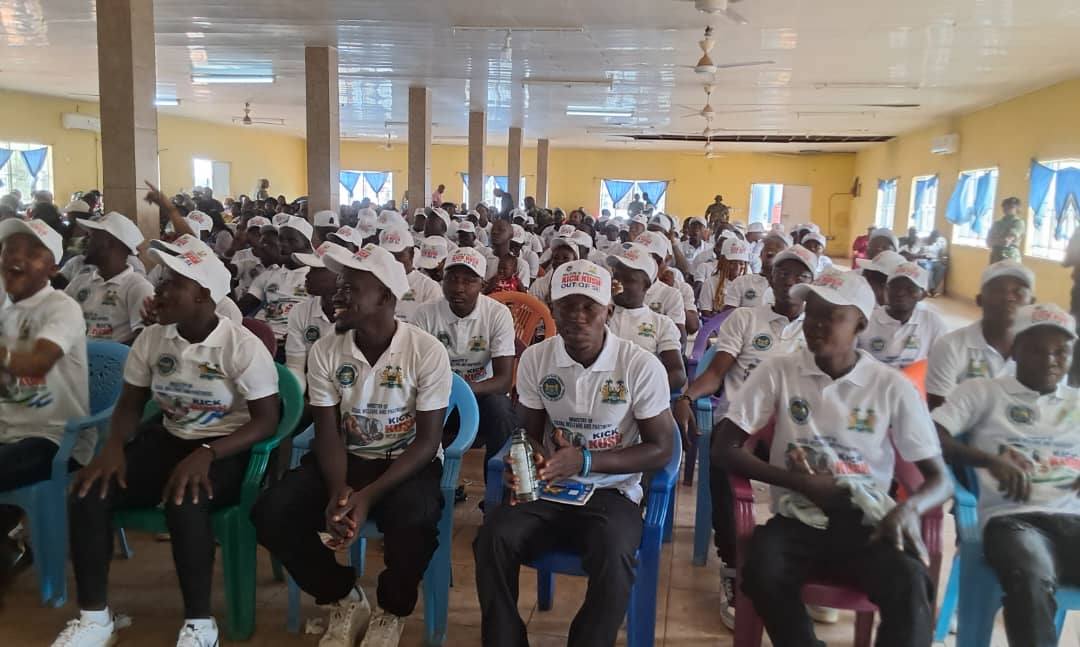
Officials reiterated that discharge from the programme is not an endpoint but the beginning of a new chapter. The Ministry pledged to continue strengthening rehabilitation and reintegration efforts to ensure every individual returns to society with dignity and access to opportunities.
The newly appointed Ambassadors of Positive Change are expected to play active roles in community outreach, peer support, and public education on substance abuse prevention. By sharing lived experience, they will serve as credible messengers to deter drug use and to encourage those still struggling to seek help.
Government and partner agencies signalled plans to expand support services that facilitate long-term reintegration, including vocational training, psychosocial support, and linkages to employment opportunities. The collaborative model showcased at the ceremony was presented as a blueprint for scaling rehabilitation services nationwide.
The discharge ceremony offered a compelling narrative of resilience: lives once overshadowed by addiction now carry messages of hope, determination, and service. As the 100 graduates return to their communities as ambassadors, the Ministry of Social Welfare and its partners call on citizens to support reintegration efforts and to recognise recovery as a pathway to restored dignity and social contribution.