
NDMA’s Suliaman Sowa Represents Sierra Leone at AU Early Warning Systems Meeting in Mozambique
 Sahid Bangura
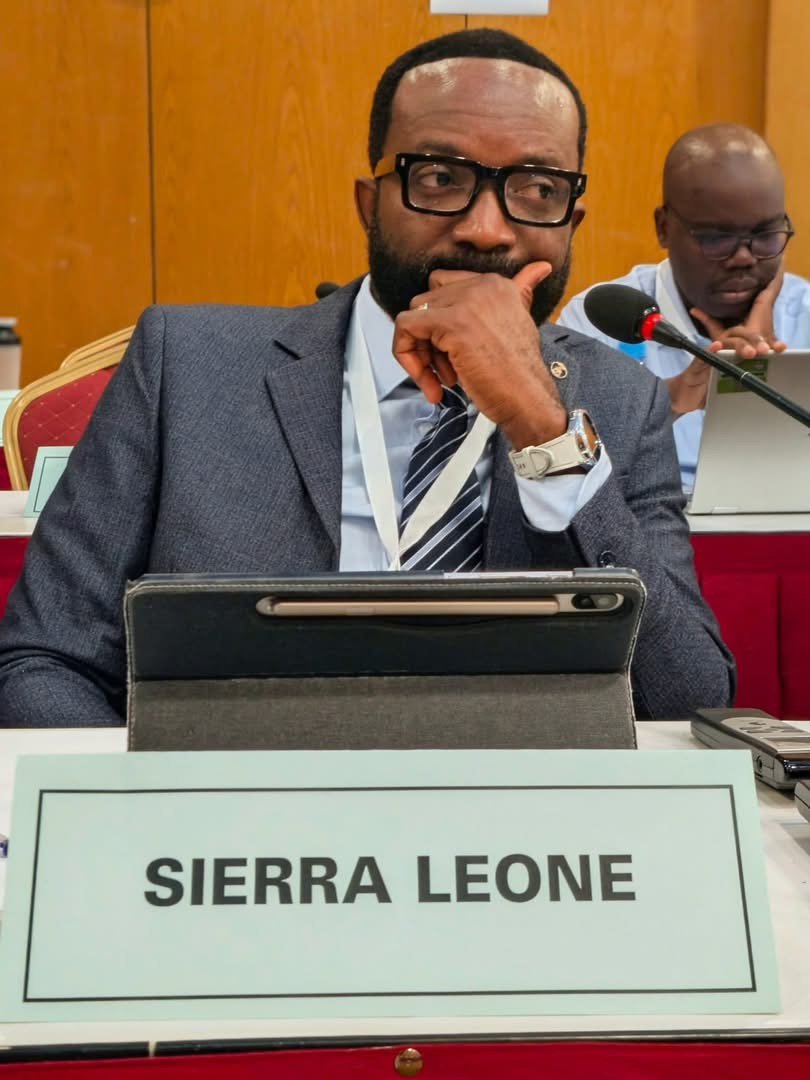
 The Deputy Director General of Sierra Leone’s National Disaster Management Agency (NDMA), Sulaiman B. Sowa, has represented Sierra Leone at the Africa Multi-Hazard Early Warning System and Early Action (AMHEWAS) Technical Working Group meeting held in Mozambique from May 25 to 27, 2026.
The continental meeting, organized by the African Union Commission (AUC), brought together disaster risk reduction experts, meteorological agencies, humanitarian actors, and policymakers from across Africa to strengthen coordinated multi-hazard early warning systems and improve anticipatory disaster response mechanisms across the continent.
AMHEWAS is a flagship African Union initiative established to support interoperable and people-centered multi-hazard early warning systems across all 55 African Union Member States.


The programme aligns with the United Nations’ global “Early Warnings for All” initiative, which seeks to ensure that every person worldwide is protected by life-saving early warning systems by 2027.
During the Technical Working Group session, Sowa presented Sierra Leone’s progress in strengthening national early warning systems, including ongoing efforts to improve disaster preparedness, risk monitoring, and community-based response mechanisms.
His presentation highlighted Sierra Leone’s vulnerability to climate-related hazards, including flooding, landslides, coastal erosion, urban fires, and other extreme weather events.
He noted that the NDMA continues to invest in strengthening risk communication and institutional coordination following lessons learned from previous disasters, including the deadly 2017 mudslide tragedy.
Speaking during the meeting, Sowa emphasized the need for stronger regional cooperation in disaster preparedness and response across Africa.
“Disasters do not respect borders, and therefore Africa’s response systems must be interconnected, proactive, and people-centered. Sierra Leone’s participation in the AMHEWAS Technical Working Group demonstrates our commitment to building stronger and smarter early warning systems capable of protecting lives and livelihoods,” he said.
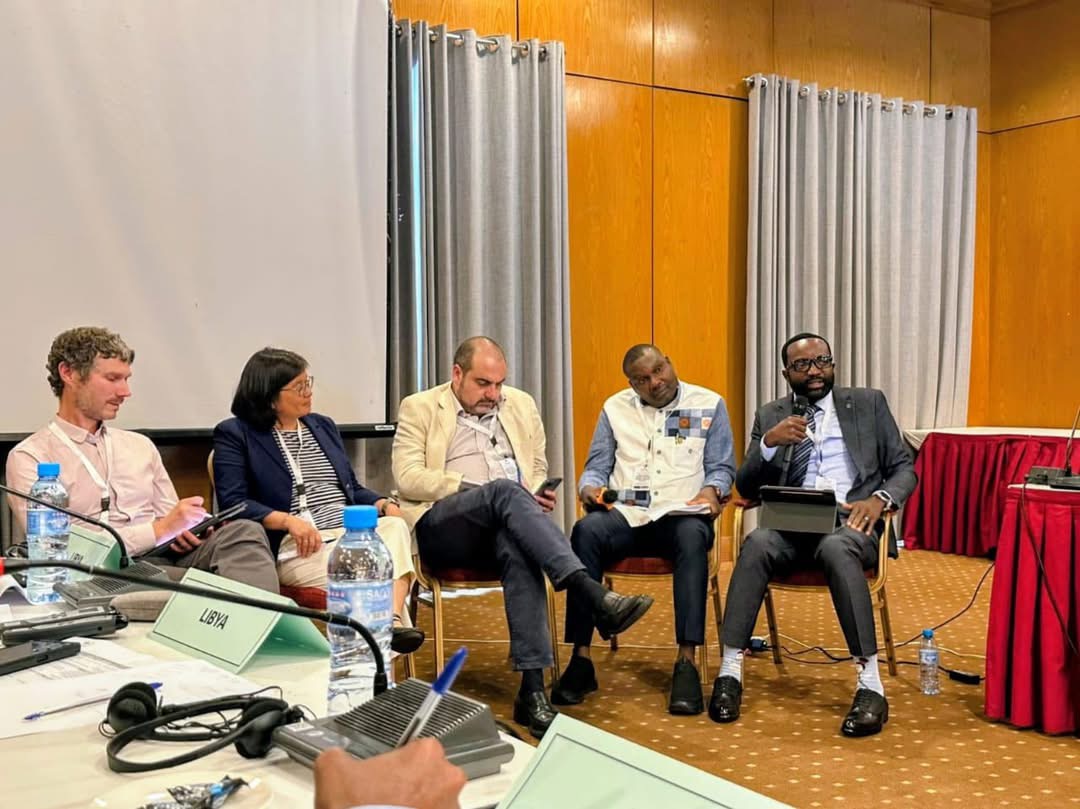
Sowa was also selected as a panelist during a strategic discussion on “Early Warning Systems in Urban Settings,” where experts examined risks associated with rapid urbanization, informal settlements, high population density, and climate-related hazards affecting African cities.
The discussion explored approaches to strengthening urban resilience through digital technologies, community engagement, real-time hazard monitoring, and integrated emergency communication systems.
According to Sowa, Sierra Leone’s participation in the forum provides an opportunity to learn from best practices across Africa.
“This platform offers Sierra Leone a unique opportunity to learn from best practices across the continent, especially in strengthening urban early warning systems, improving coordination among institutions, and expanding last-mile communication to vulnerable communities,” he stated.
Delegates at the meeting were also taken on technical visits to operational situation rooms in Mozambique to observe how real-time hazard monitoring, forecasting, emergency coordination, and anticipatory action systems are managed.
The AMHEWAS programme has already supported the establishment of continental and regional situation rooms in Addis Ababa, Abuja, Douala, Nacala, and other strategic locations to strengthen disaster preparedness and response coordination across Africa.
The NDMA said Sierra Leone’s participation in the Technical Working Group is expected to strengthen the agency’s technical capacity, improve interoperability with regional systems, and enhance access to emerging early warning technologies.
The meeting concluded with strategic recommendations aimed at advancing effective multi-hazard early warning and early action systems across the African continent.