Chief Minister Sengeh Outlines 15 Major Gains Under President Bio at Freetown Global Forum
 Sahid Bangura
 Chief Minister Dr. David Moinina Sengeh has highlighted major progress across multiple sectors in Sierra Leone, attributing the gains to the leadership of President Julius Maada Bio.
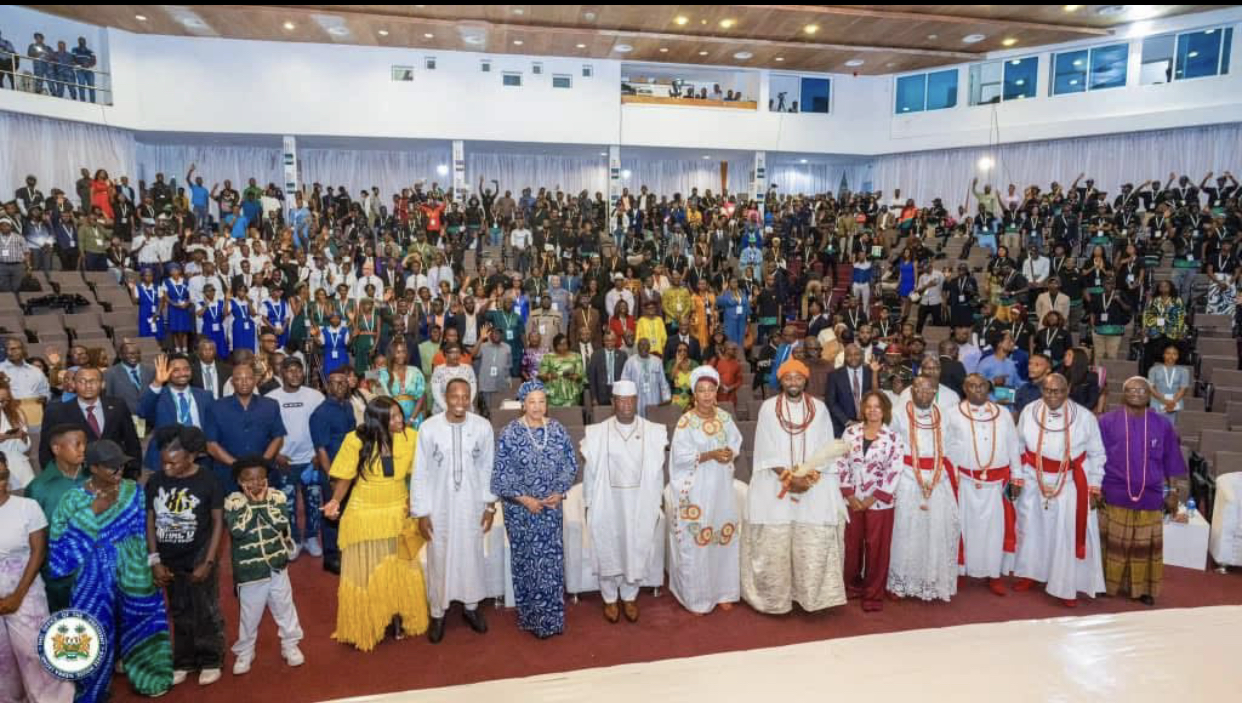
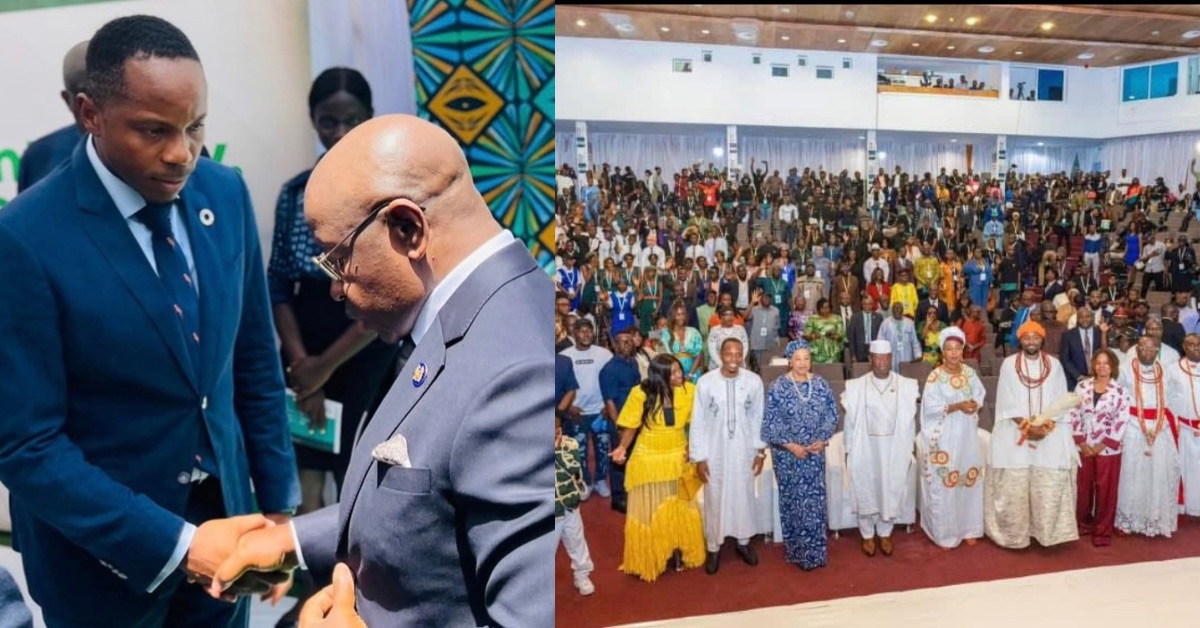
Speaking at the Julius Maada Bio Leadership Colloquium over the past two days, Sengeh addressed global and local leaders, emphasizing measurable improvements in health, education, infrastructure, governance, and economic development.
In his remarks, Sengeh praised President Bio for transforming Sierra Leone into a nation increasingly recognized on the global stage for peace, wellbeing, and socioeconomic progress.

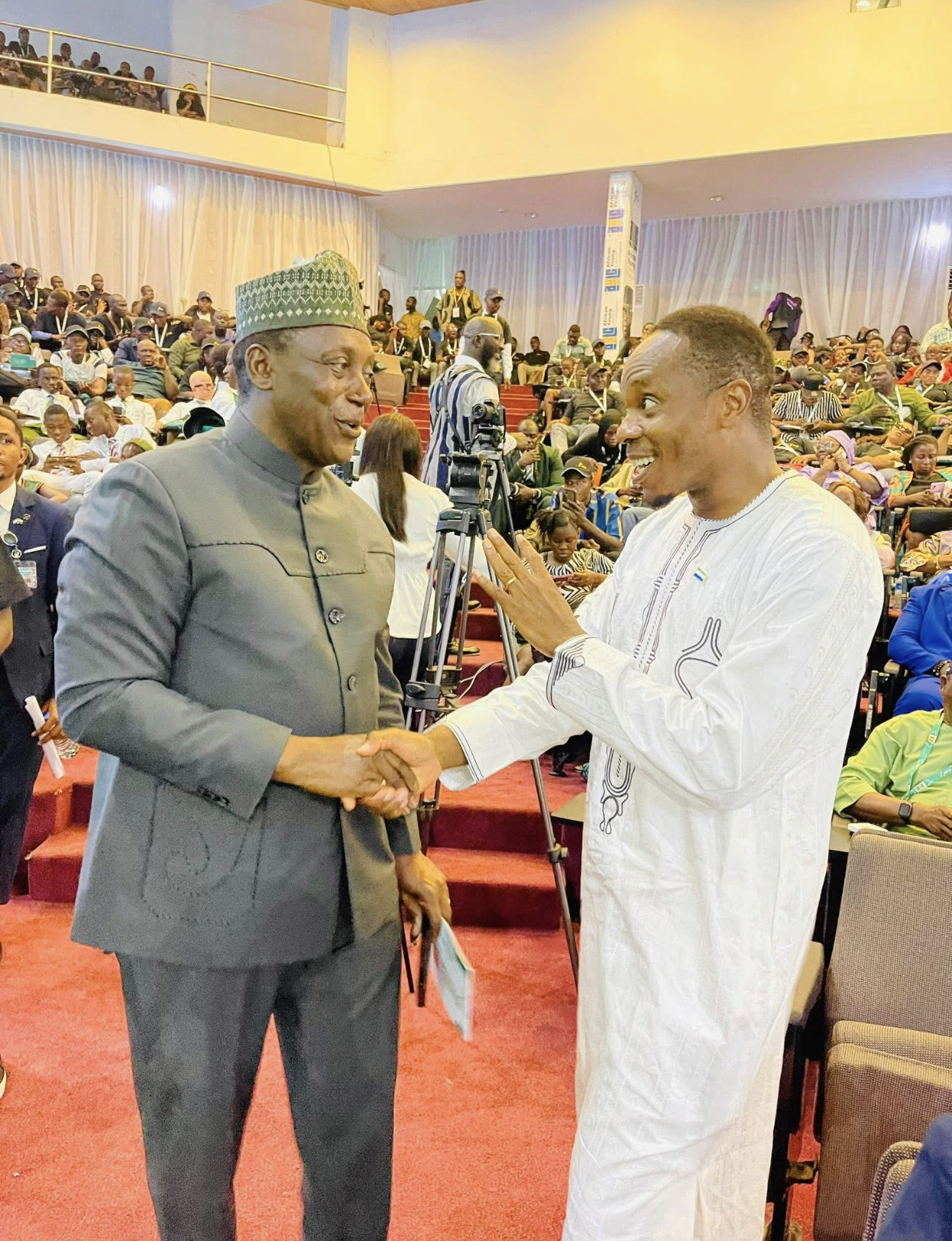


“President Bio has transformed Sierra Leone into a globally respected nation where, on every relevant global indicator for peace, wellbeing, socio-economic progression, security, freedom of information, and more, Sierra Leone is better today than he met it,” Sengeh said.
According to Sengeh, the last decade has seen an 80 percent reduction in maternal mortality and more than a 30 percent reduction in under-five child mortality, reflecting significant gains in public health. School enrollment has risen by over 30 percent, while higher education enrollment has increased by more than 150 percent, highlighting major strides in education.
Infrastructure development has also been substantial. Sengeh noted the paving of over 450 kilometers of roads, the construction of a new airport, several large bridges, hotels, and an international conference center. These projects, he said, have improved connectivity and facilitated economic growth.
Food security and economic self-sufficiency have reportedly improved under President Bio’s leadership. Severe food insecurity has declined, food availability and affordability have increased, and the nation has expanded exports of oil, fish, and cocoa. Industrial development has followed, with over 25 new large-scale companies and factories creating tens of thousands of jobs.
Sengeh also highlighted governance reforms and inclusive policies, including the participation of at least 30 percent young people and women in government and leadership positions.
International recognition has accompanied these reforms, with Sierra Leone assuming leadership roles such as the presidency of the UN Security Council and chairmanship of ECOWAS, and contributing as a credible voice in global policy.
Education and healthcare workforce expansion was another key achievement noted. Over 10,000 new teachers and 5,000 nurses have been recruited, alongside salary increases for security personnel and a more than 50 percent rise in the national minimum wage. Additionally, access to electricity has expanded, reaching 36 percent of the population, up from 18 percent, while internet coverage now spans 100 percent 3G, 90 percent 4G, and full satellite coverage.
Sengeh emphasized that these gains have resulted in measurable improvements in life expectancy, the Human Development Index, and the Human Capital Index. More mothers are surviving childbirth, more children are reaching age five, more young adults are completing education, and workers enjoy a better standard of living.
While acknowledging the remaining challenges, Sengeh stressed that the progress achieved demonstrates the potential for further development. “It is this progress that makes us believe every day that through President Julius Maada Bio’s leadership, and all of our participation, together WeWillDeliver a more inclusive, just, and prosperous Sierra Leone,” he said.
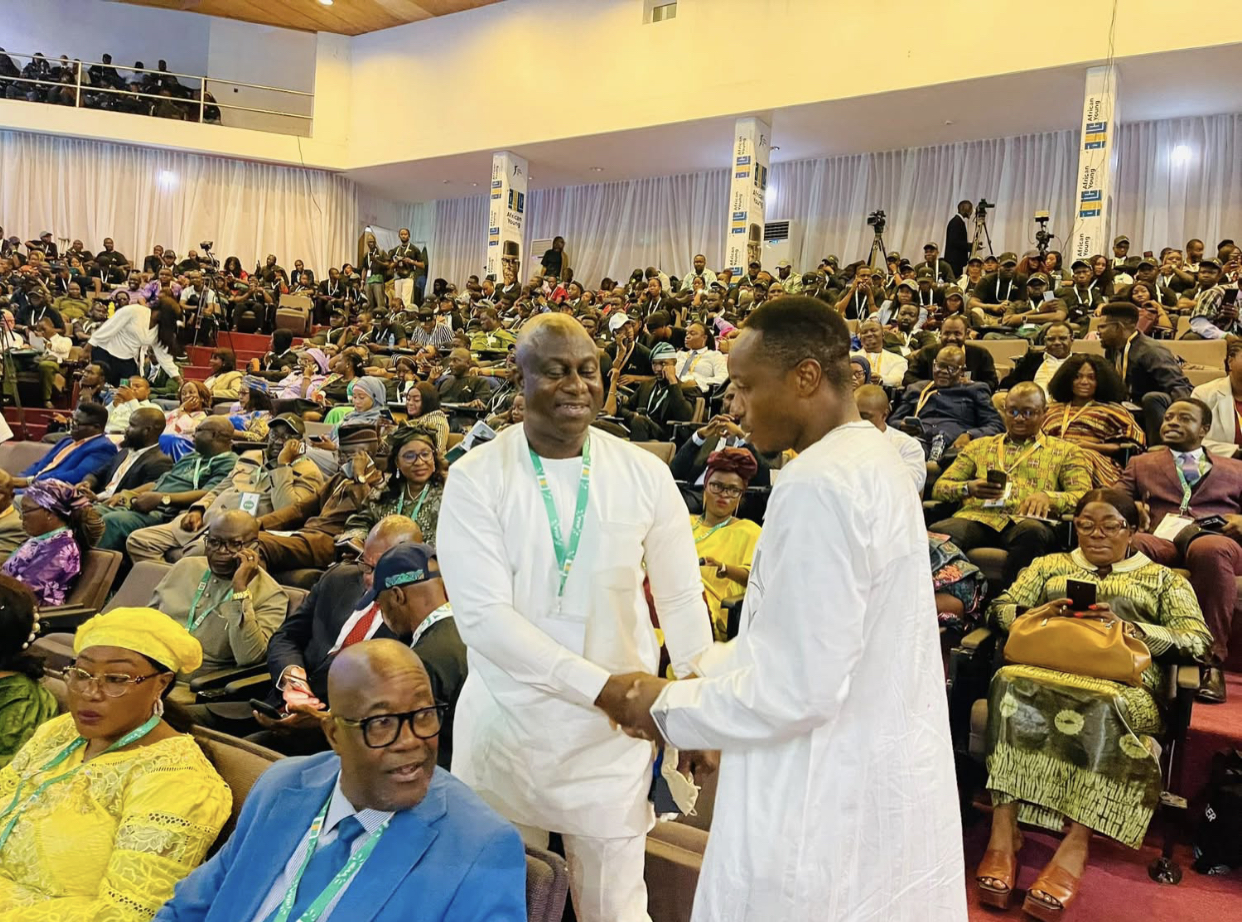
The Chief Minister’s remarks, delivered at a forum bringing together global leaders to inspire Africa’s next generation, underline the government’s focus on measurable outcomes and international engagement in advancing the nation’s development agenda.