

Chief Minister Compares APC-Era Hajj System with Current SLPP Management
 Aaron Parker
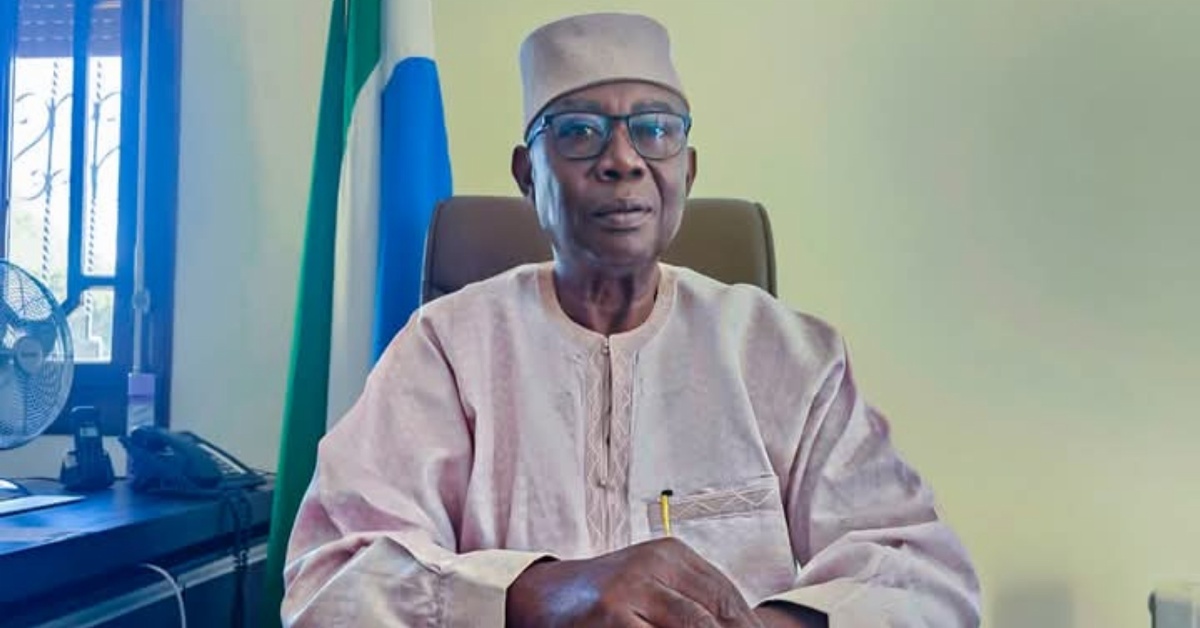
 The Chief Minister, David Moinina Sengeh, has highlighted what he described as major reforms in Sierra Leone’s Hajj administration under the current government, contrasting it with practices during the previous administration.
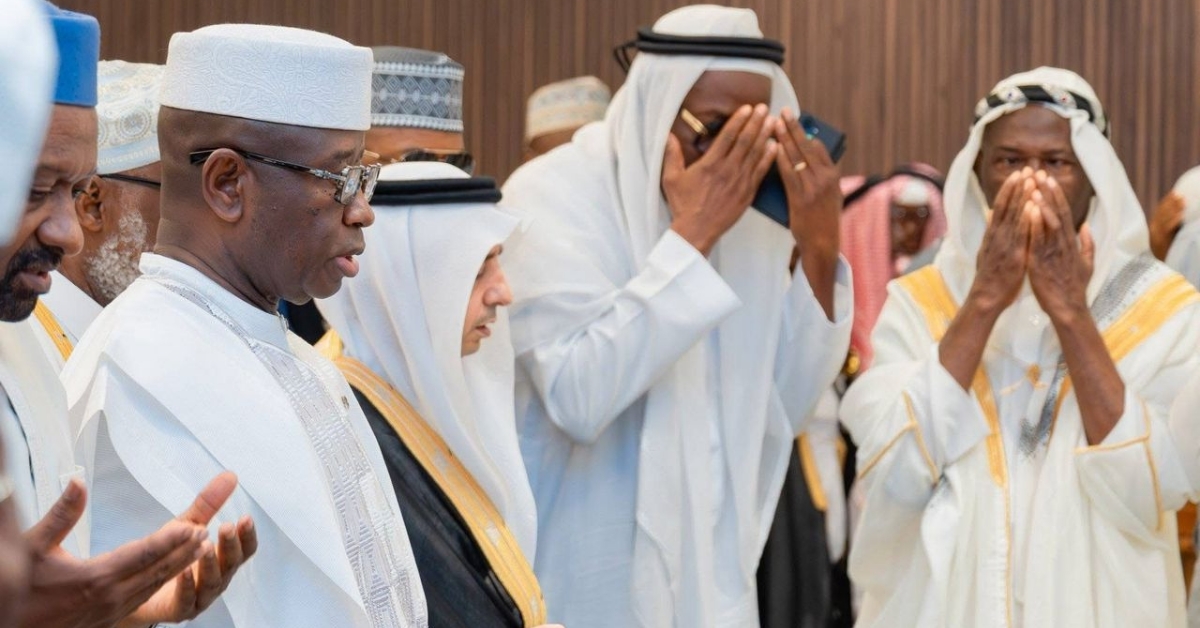
In a public statement, Sengeh said the Hajj process has been significantly restructured under President Julius Maada Bio, following the appointment of the Vice President to oversee the programme and the establishment of a dedicated Hajj Secretariat chaired by Alhaji Murtada Sesay.
He stated that the reforms have transformed what was previously marked by “corruption, embarrassment, and inefficiency” into a more “dignified and transparent” system.

Sengeh outlined several areas of improvement, including financial management, logistics, and administration. He claimed that the current Hajj programme is operating without government debt, contrasting it with what he described as a $5 million debt accumulated under the previous administration.
He further noted improvements in logistics and safety, stating that all 860 pilgrims who travelled this year returned safely to Sierra Leone. He also said the programme has expanded to include diaspora participation, with about 1,800 Sierra Leoneans from across the world taking part.
On administrative processes, he highlighted the introduction of a more streamlined and digital system, which he said has reduced inefficiencies such as missing passports, delayed payments, and incomplete medical documentation. He added that enhanced medical and logistical support teams are now in place for pilgrims.
Sengeh also contrasted past and present arrangements regarding engagement with pilgrims, claiming that current practices reflect greater dignity and inclusivity.
He said the reforms were not intended as criticism of the opposition, but rather to demonstrate the importance of effective governance in public service delivery.
According to him, the government’s approach reflects a broader commitment to inclusivity and fairness, where all citizens, regardless of status, go through the same structured process.
The Chief Minister concluded by expressing optimism that the reformed Hajj system represents a model of improved public administration and service delivery in Sierra Leone.