

World Bank Approves US$60m Funding to Boost Rural Electrification and Economic Growth in Sierra Leone
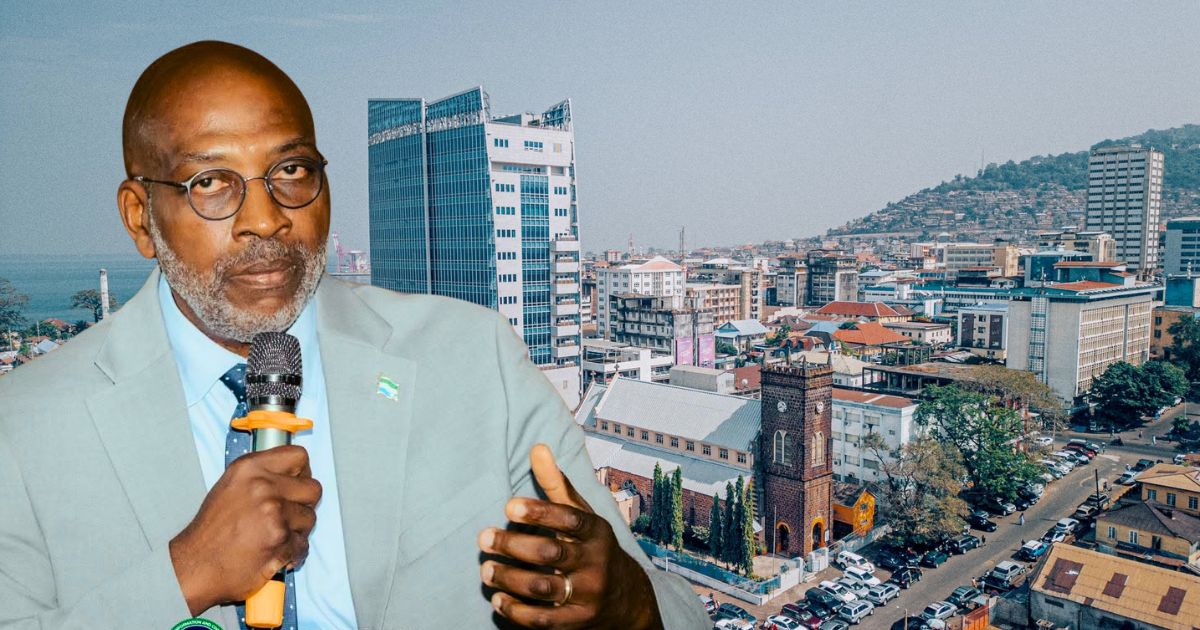
The Ministry of Energy has confirmed that the World Bank has approved US$60 million for Sierra Leone under the first phase of the Regional Programme for Distributed Access through Renewable Energy Solutions (DARES), a major initiative aimed at expanding electricity access and driving rural economic transformation.
The funding forms part of a broader US$200 million regional package shared with Benin, the Central African Republic, and Liberia, and represents the opening phase of a wider US$853 million programme designed to scale up distributed renewable energy across the region.
According to the Ministry, the DARES initiative goes beyond electrification, positioning itself as a strategic investment in productivity and economic inclusion, particularly in rural communities where access to electricity remains limited.

With only about 36 percent of Sierra Leoneans currently connected to electricity, the programme is expected to significantly expand access through off-grid renewable solutions such as solar home systems, mini-grids, and other distributed energy technologies that can be deployed quickly in areas where grid extension is not feasible.


The initiative is expected to unlock productivity across key sectors, including agriculture, small-scale enterprises, and local services. Improved access to electricity will enable cold storage for farmers, mechanised processing for agribusinesses, and extended operating hours for shops and workshops—developments that are projected to increase incomes, reduce post-harvest losses, and strengthen local value chains.
Key beneficiaries will include households, schools, and health facilities, as well as small businesses expected to scale up operations through improved energy access. The programme also places strong emphasis on job creation within the renewable energy value chain, with priority given to youth and women for training and employment opportunities.
Regional DARES is also designed to mobilise private sector participation, targeting an additional US$54 million in private investment. It aims to connect more than 1.2 million people and 24,000 businesses across participating countries through a blended financing approach that combines concessional funding, risk mitigation instruments, and regulatory support to make renewable energy investments more attractive to private developers.
The Ministry noted that this market-oriented model is intended to shift Sierra Leone’s energy expansion from a donor-dependent framework to one where local firms, pay-as-you-go providers, and mini-grid operators play a central role in expanding access sustainably.
Beyond economic benefits, the programme is expected to improve social service delivery in remote communities. Electrified health centres will be able to power vaccine refrigeration and diagnostic equipment, while schools will benefit from lighting and digital learning tools that extend study hours and improve education delivery.
The use of renewable energy technologies is also expected to support Sierra Leone’s climate goals by reducing reliance on diesel generators, lowering emissions, and cutting long-term energy costs.
However, experts and stakeholders caution that the success of the programme will depend on effective implementation. Key concerns include ensuring affordability for low-income households, aligning deployment with national grid expansion plans to avoid stranded assets, and strengthening local technical capacity for maintenance and operations.
They also emphasise the need for clear regulatory frameworks, transparent procurement processes, and consumer protection mechanisms to attract and sustain private sector investment in the energy market.
While government reforms and ongoing projects such as the Respite Project provide a foundation, scaling distributed energy solutions will require strong public-private coordination and robust monitoring systems to ensure equitable outcomes.
Speaking on behalf of President Dr. Julius Maada Bio, the Ministry of Energy welcomed the World Bank’s approval and reaffirmed government commitment to ensuring the funds translate into tangible development outcomes.
Minister of Energy, Hon. Cyril Grant, described distributed renewable energy as the “fastest and most practical way” to reach rural communities, stressing that government remains focused on converting the financing into jobs, improved services, and resilient infrastructure.
Implementation of the programme will now proceed to project design, procurement, and partnership development, with emphasis on attracting private investors, training local technicians, and prioritising communities with the greatest energy needs.
Hope it will be distributed equally in the rural areas of Sierra Leone instead of political reasons